
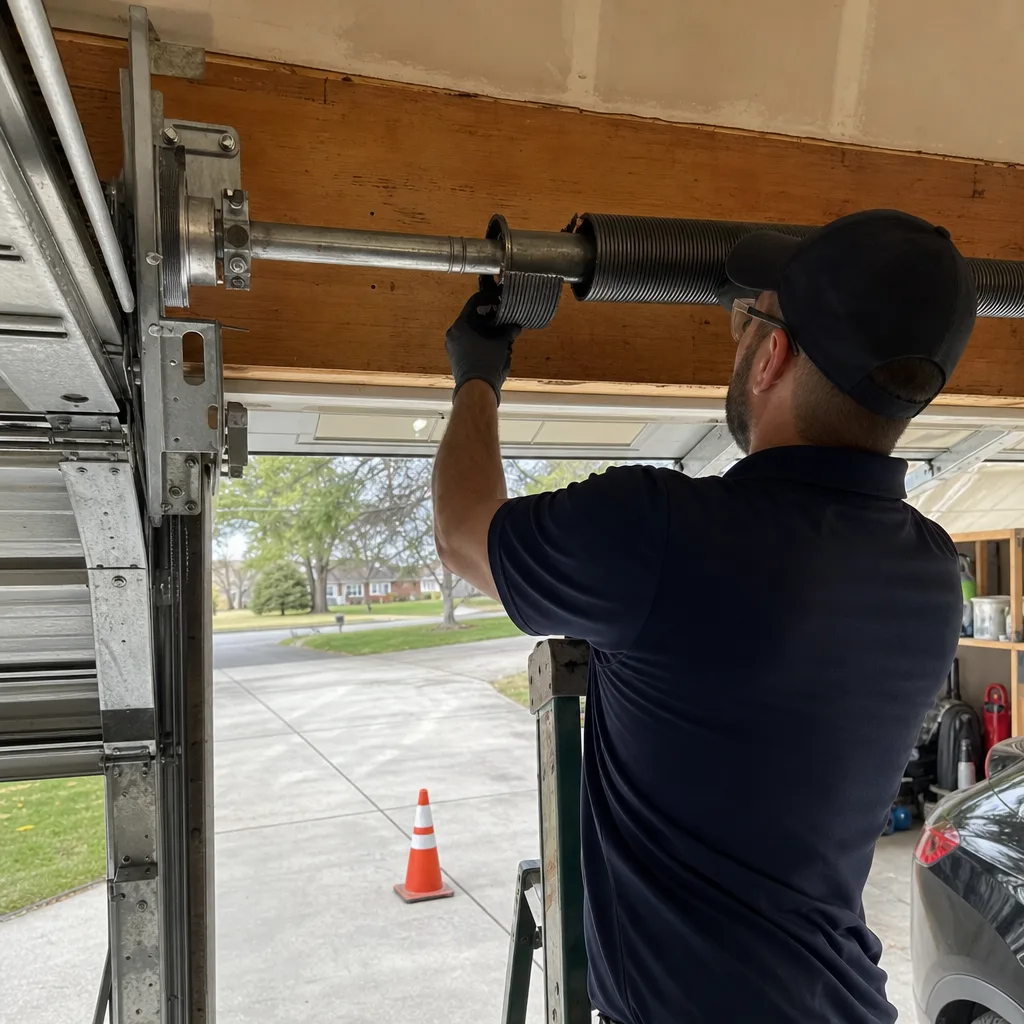
Last updated November 21, 2026
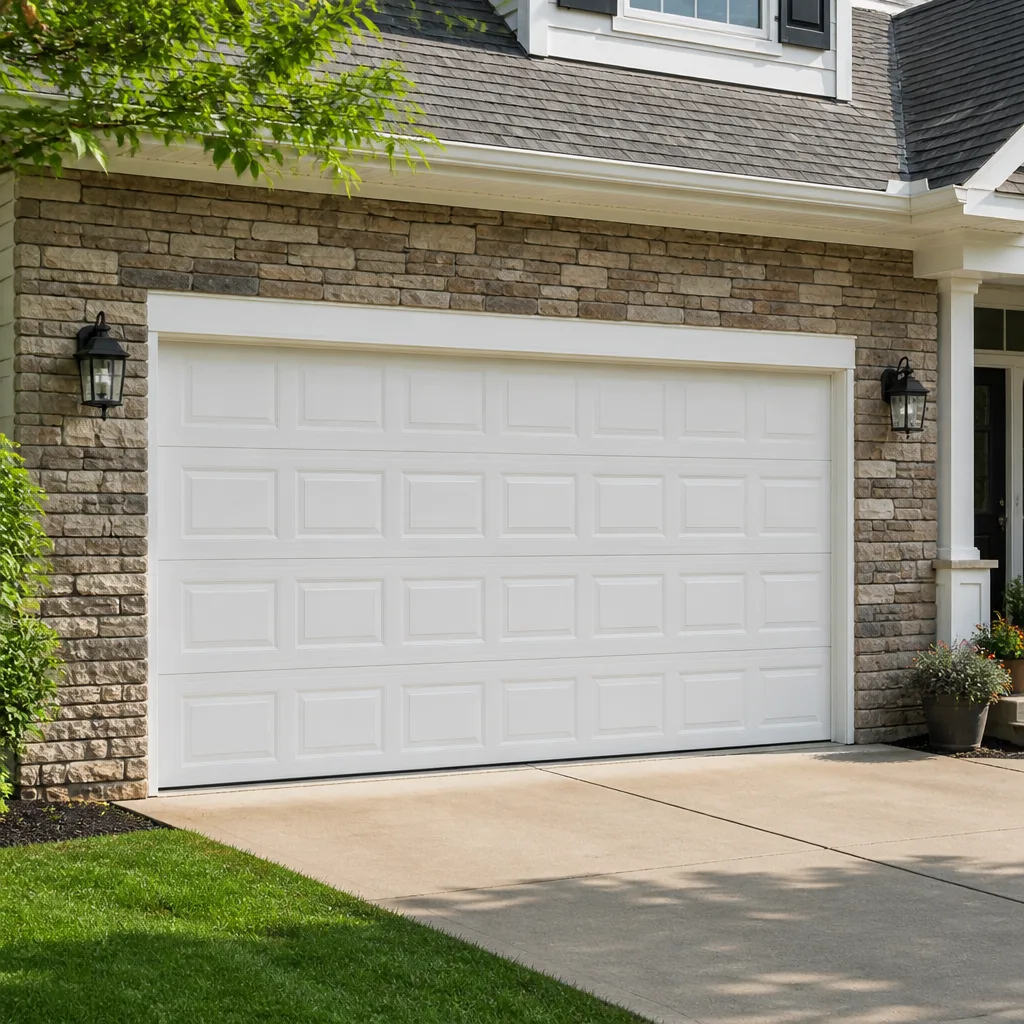 Raised-panel steel
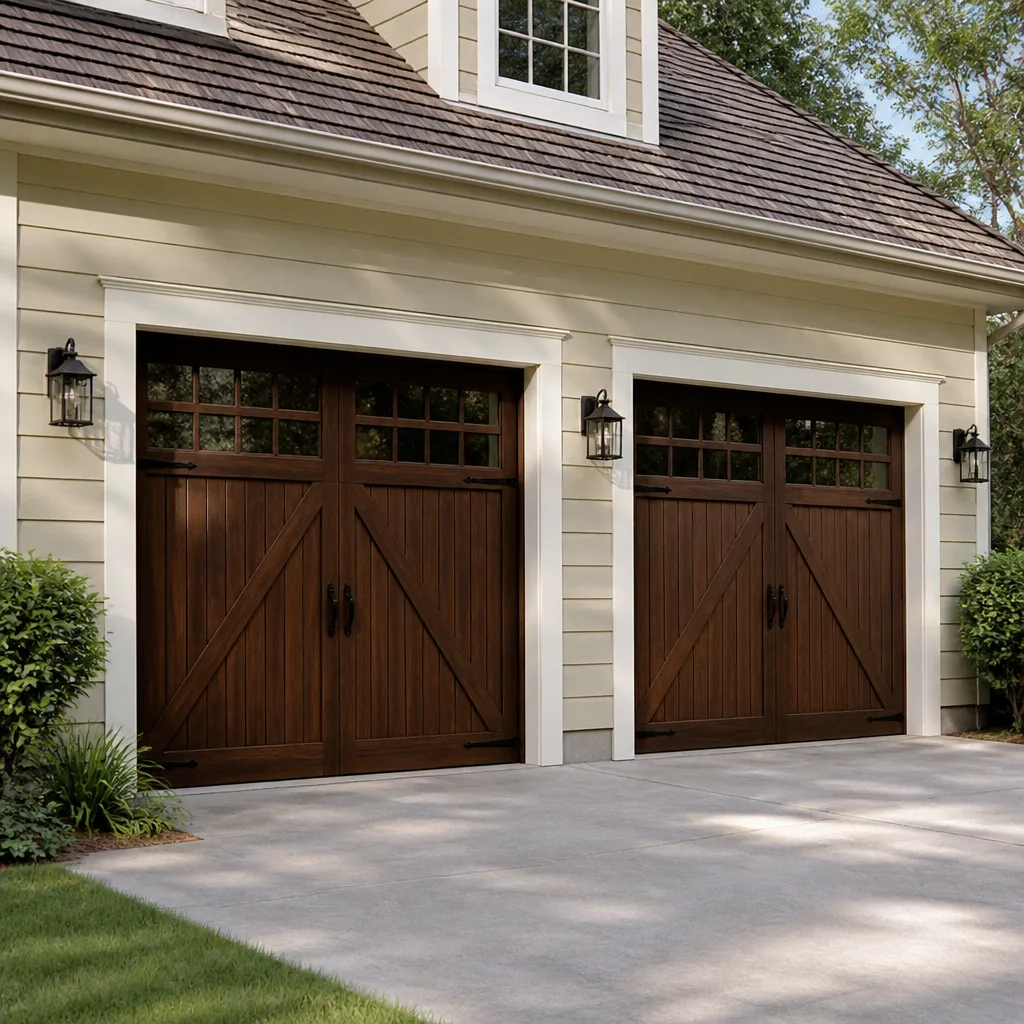 Carriage house
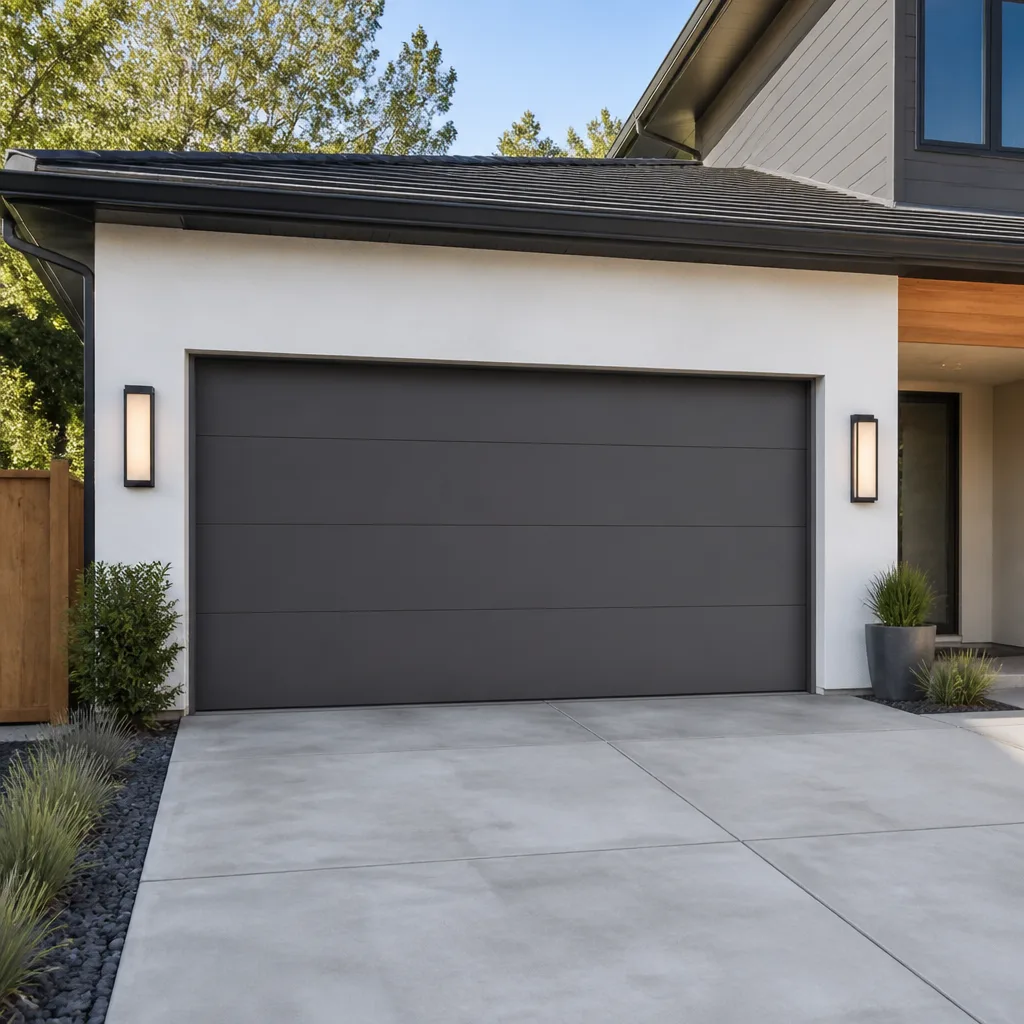 Modern flush
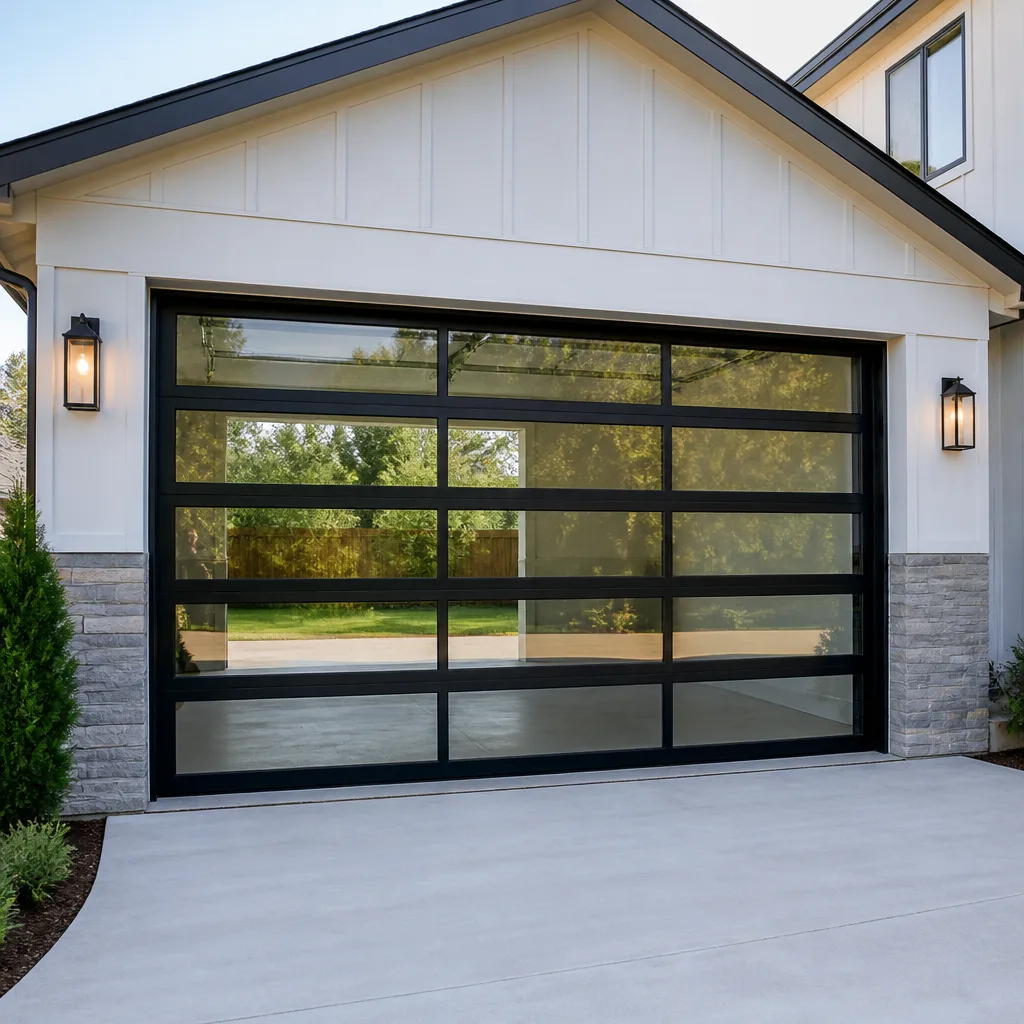 Full-view glass
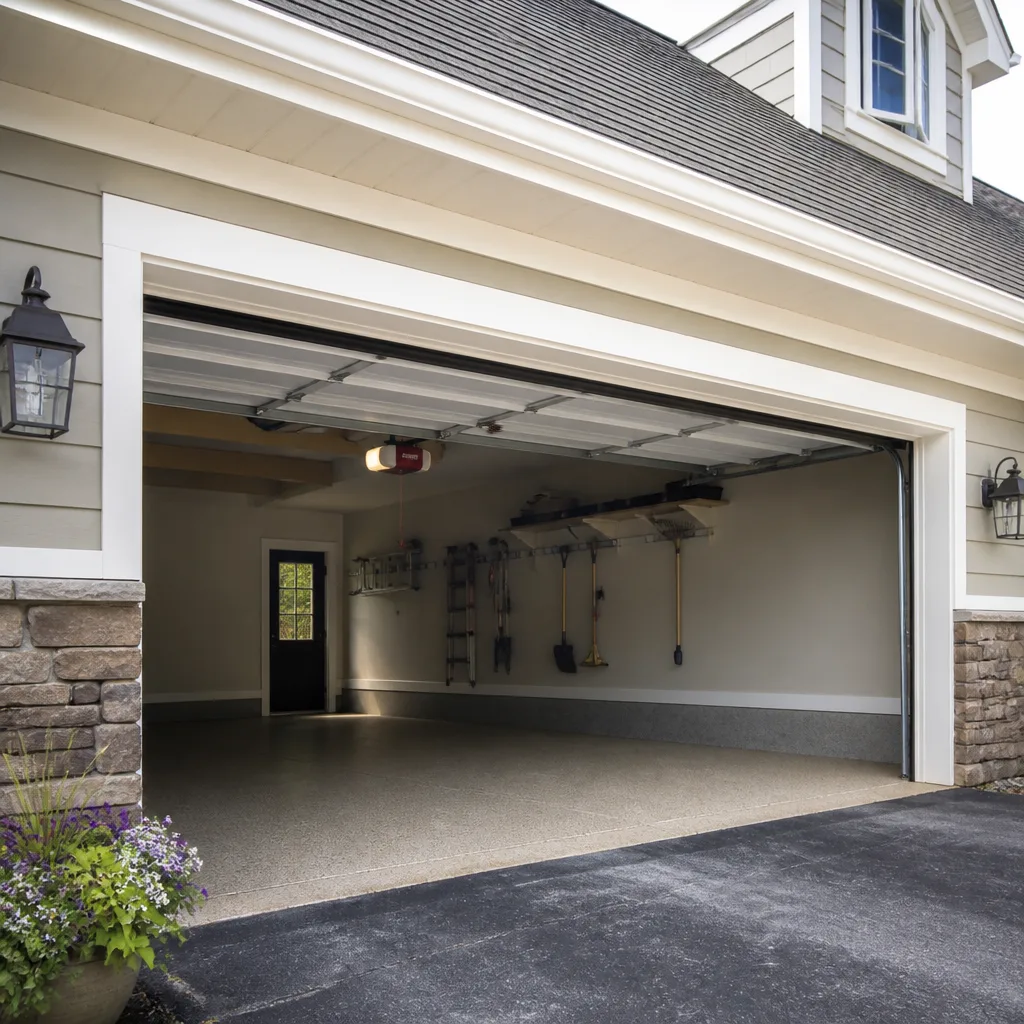 LiftMaster openers
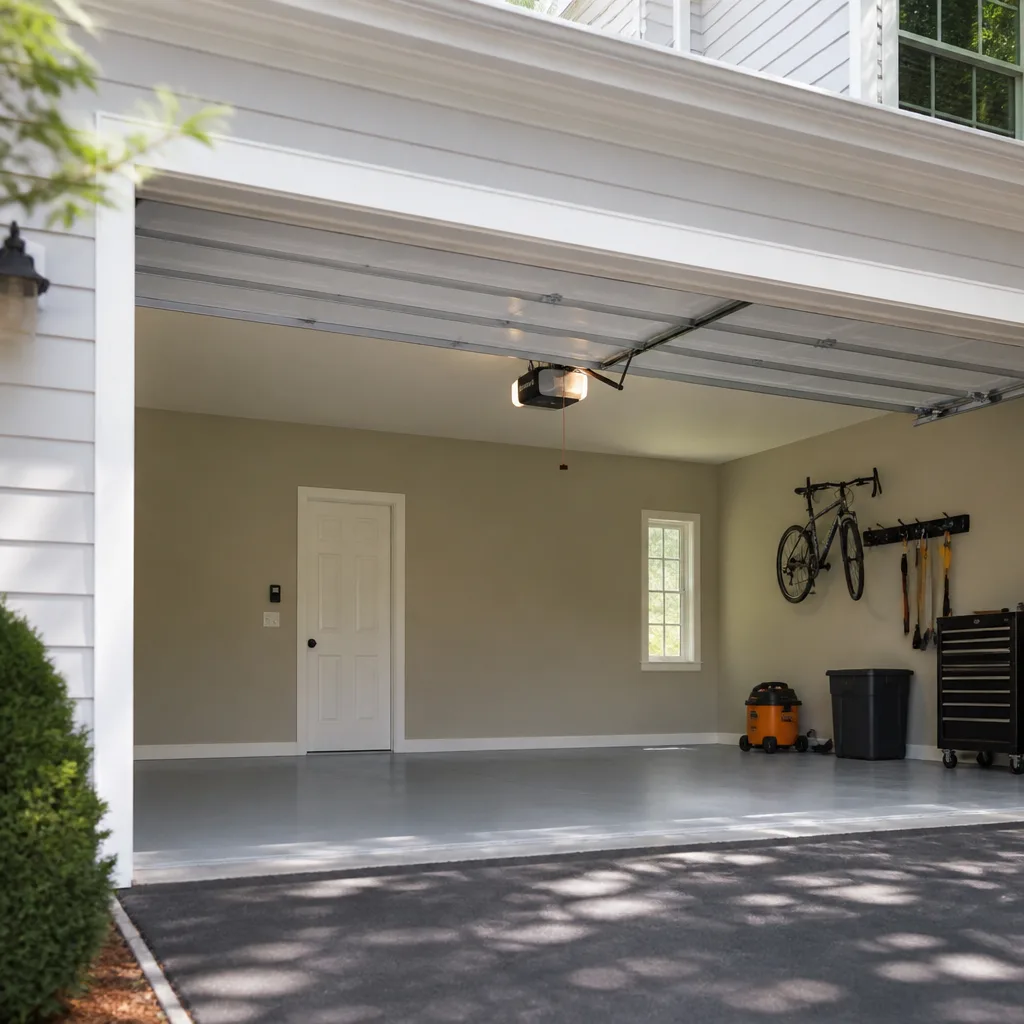 Chamberlain openers
Full 25-point door and opener safety check with every visit - springs, cables, rollers, tracks, and your LiftMaster or Chamberlain opener included
You get a price before we start. It does not change when the pro arrives.
Get your free estimateSeasonal Garage Door Care for Richmond: Year-Round Homeowner’s Guide
Most garage door maintenance advice assumes four clean seasons. Richmond doesn’t work that way. What we actually get is a humid plateau summer that hangs on, an unpredictable shoulder period where March can feel like June and October can feel like December, and winters that flip between 60°F and 18°F in the same week. That thermal whiplash is harder on springs, seals, and opener hardware than any single season, and it’s why a calendar built for a colder, steadier climate leaves Richmond homeowners chasing problems after they’ve already started. In this guide, we’ll walk through what each part of the Richmond year does to your door, what to check and when, and how to spot the jobs that need a professional before they turn into a broken door.
Quick Answer
In Richmond, garage door care needs to follow temperature swings, not the calendar. Focus your checks on the three stress points: the late-spring humidity ramp (seals, wood, and balance), the shoulder-season temperature flips in March-April and October-November (hardware and springs), and the winter freeze-thaw cycle (lubricant, bottom seal, and torsion springs). A ten-minute visual check at each transition, plus one annual professional tune-up, catches most problems before they become repairs.
Styles & brands we work with
- Raised-panel steel
- Carriage house
- Modern flush
- Full-view glass
- LiftMaster openers
- Chamberlain openers
Table of Contents
- Why Richmond’s Climate Is Hard on Garage Doors
- Pre-Summer Prep: Humidity, Wood, and Weatherseal
- The Shoulder Seasons: When Hardware Takes the Most Stress
- Winter Care: Cold Lubricant, Frozen Concrete, Brittle Springs
- Storm Prep for Richmond’s Thunderstorm Season
- How Attached Garages Affect Your Door and Your Home
- A Realistic Year-Round Maintenance Schedule
- Repair or Replace? Reading the Signs on an Older Door
Why Richmond’s Climate Is Hard on Garage Doors
Richmond sits in a climate zone that gives you the worst of both humid and cold weather without much of the steady middle. Summers are long and muggy. Winters aren’t arctic, but they oscillate hard. That combination matters more than most homeowners realize, because almost every component on a garage door responds to temperature and moisture.
Here’s what’s actually happening to your door across a Richmond year:
- Steel expands and contracts with temperature. On a door with a wide panel span, that movement shows up as panel bowing, section gaps, and a door that binds in its tracks on a hot afternoon but runs fine the next morning.
- Wood components swell when humidity climbs. In Richmond, wood frame jambs, wood door sections, and wood trim around the opening absorb moisture through the summer and shrink back in the fall, which can loosen hardware and open gaps.
- Springs change tension with temperature. A torsion spring that’s perfectly balanced at 55°F will feel different at 95°F and again at 20°F. That’s normal physics, but it means balance problems are seasonal, and a door that’s slightly out of balance in one season can become visibly difficult in another.
- Seals harden and crack faster in a climate that swings between humid heat and dry cold. Rubber that stays flexible in a mild climate gets brittle here within a few years.
The takeaway: your door is a mechanical system, and a Richmond year gives it a wide range of thermal and moisture conditions to operate in. Maintenance has to account for that range, not just a spring cleaning and a fall once-over. When we work on garage door repair jobs around the area, balance complaints and seal failures that track the weather are a big part of what we see.
Pre-Summer Prep: Humidity, Wood, and Weatherseal
Richmond’s summer is the sustained-humidity test. Before the muggy months set in, usually in late spring, spend an afternoon on the parts that moisture attacks first. This is the highest-value check of the year for most Richmond homes.
Inspect and treat wood components
If your door is wood, or your opening has wood jambs and trim, look for swelling, soft spots, peeling paint, and gaps where sections meet. Wood that’s holding moisture will feel slightly soft when you press it with a screwdriver handle, and paint that’s bubbling or peeling is a sign moisture is getting in behind it. Seal or repaint exposed wood before peak humidity. If the wood is already soft or crumbling, that’s a job to have looked at rather than sealed over.
Check the weatherseal at the bottom and sides
The bottom seal is the first line of defense against humid air, insects, and water. Run your hand along it: it should be flexible, sit flat on the floor, and have no cracks, tears, or flat spots. In a humid summer, a failing bottom seal lets moisture-laden air into the garage, which raises humidity inside and accelerates rust on the door’s steel and hardware. Side and top seals matter too, but the bottom seal does the most work.
Look at the door balance and hardware
- Open and close the door by hand (with the opener disconnected) and see if it stays where you put it about halfway up. If it drops or rises on its own, the balance is off.
- Check hinges, rollers, and the track for rust and loose fasteners. Humidity finds every bare metal edge.
- Look for oil-canning (panel bowing) on steel doors. Mild bowing is normal in heat; severe bowing can mean a hinge or panel problem.
Lubricate for the humid season
Use a garage-door-rated lubricant on hinges, rollers, and the torsion bar bearings (not the springs themselves, which we’ll explain below). A light coat helps resist moisture. Don’t over-lubricate the track; the track should stay clean, not oily. For a door with an opener, this is a good moment to run the safety reverse test: place a small object under the door’s path, close the door, and confirm it reverses on contact. If it doesn’t, stop and have the opener checked. See our guide to garage door opener repair for what to check next.
The Shoulder Seasons: When Hardware Takes the Most Stress
If we had to name the two windows when Richmond garage doors get into the most trouble, it’s March through April and October through November. Not summer, not winter. The shoulder seasons are when the temperature can swing 30 to 40 degrees within a day or two, and that rapid cycling is what stresses hardware.
What the swings actually do
- Torsion spring fatigue. A spring that’s worked at the same tension all year holds up better than one that’s constantly being pushed between cold and warm tension ranges. Rapid temperature cycling accelerates fatigue over time, and it’s why Richmond springs often fail in the shoulder months.
- Hinge and bolt loosening. Metal fasteners expand and contract at slightly different rates than the door panels they’re mounted to. Over a shoulder season, bolts and hinges loosen and the door’s movement gets sloppier.
- Track realignment. A track that’s fine in one temperature can go slightly out of plumb as the door and frame move in opposite directions. You’ll notice a door that rubs or sticks, or a popping sound.
- Roller and bearing strain. Rollers that are already worn get worse fast during a shoulder season.
Shoulder-season checks (March-April and October-November)
- Open and close the door fully. Listen for popping, grinding, or scraping; those are sounds that should not be there.
- Check the balance by hand. If it’s noticeably harder to move than in the previous season, that’s a spring or hinge issue.
- Look at hinges and the top and bottom brackets. Re-tighten anything that’s visibly loose (snug, not torqued down).
- Run a visual check down both tracks. The door should sit centered and not rub on either side.
- Check spring wear. On an extension spring, look for a visible gap or a stretched section. On a torsion spring, listen for a further-pitched sound or note a door that’s suddenly harder to lift. A worn spring is likely to fail; have it evaluated rather than waiting for it to break.
This is where a garage door’s brand and component quality show up. Door and opener systems we work with most often, including Raynor, LiftMaster, Chamberlain, and Craftsman, each have their own spring and hinge hardware, and knowing the specific tolerances helps us spot which part is the real culprit instead of guessing. If the door is grinding or clearly out of balance, call before a small fix becomes a broken door or a damaged panel.
Winter Care: Cold Lubricant, Frozen Concrete, Brittle Springs
Richmond winters won’t win a Cold Contest, but the freeze-thaw cycle and the occasional sharp cold snap create specific problems that mild-climate maintenance advice misses. Here are the three that matter most.
Lubricant viscosity and cold temperatures
Grease and lubricant thicken as the temperature drops. A lubricant that’s fine in July can get stiff enough in a cold snap to slow rollers and hinge movement, which puts extra load on the opener and the springs. Use a garage-door-rated lubricant rated for cold performance, and apply a light coat before the first hard frost. If your door sounds sluggish or the opener strains in cold weather, a quick re-lube often fixes it.
Bottom seal and frozen concrete
In a freeze-thaw winter, water collects between the door’s bottom seal and the driveway and refreezes. The seal can bond to the concrete, and when the door lifts, the seal gets pulled off, torn, or stretched. Keep the concrete clean and clear of pooled water, and check the bottom seal for tears after any stretch of hard freeze. A stiff, cracked bottom seal also won’t seal well in cold weather, letting cold air in and raising your heating load.
Torsion spring brittleness
Cold makes steel less ductile, which means a torsion spring is more likely to break rather than just sag when it fails in winter. If a spring is already showing wear from the shoulder season, winter is when it’s most likely to let go. That’s a good reason to have springs inspected before the first freeze, not after.
Winter checks (before the first hard frost)
- Re-lubricate hinges, rollers, and bearings with a cold-rated garage-door lubricant.
- Check the bottom seal for stiffness, cracks, and flat spots.
- Confirm the door opens and closes smoothly by hand, and that the opener’s safety reverse still works.
- Clear debris and standing water from in front of the door.
Springs and cables are not a do-it-yourself job in any season, and cold weather doesn’t make it safer. Torsion springs store enormous force, and a spring under tension can cause serious injury if it’s handled without the right tools and training. If a spring looks worn or the door is suddenly hard to lift in cold weather, call a trained technician.
Storm Prep for Richmond’s Thunderstorm Season
Richmond gets a genuinely active thunderstorm season, usually running late spring into early fall. High wind, driving rain, and the occasional falling branch are the main threats to a garage door, and a little prep before the storms arrive and a quick inspection after they pass go a long way.
Before storm season
- Check the door’s perimeter seal for gaps. A door that seals tightly is less vulnerable to wind-driven rain, and water intrusion is a common source of hidden damage to wood and hardware.
- Trim branches overhanging the driveway and the roof line above the garage.
- Look at the door’s panels for existing bowing or damage; a panel that’s already stressed is more likely to be pushed further by high wind.
- Check the weatherstripping at the bottom and sides and replace anything that’s cracked.
After a high-wind or storm event
- Look for bent or bowed panels, especially on the wind-facing side.
- Check the door’s balance and operation by hand (with the opener disconnected). Storm-driven pressure can knock a door out of balance even without visible damage.
- Look at the track alignment and hinges for anything that’s shifted or bent.
- Check for water intrusion around the base and along the bottom seal.
If a storm has visibly damaged a door or knocked it off its track, don’t force it. An off-track door can drop or crush the opener arm, and the safest move is to leave it and call. For Richmond storm damage, our garage door repair team can evaluate the door and tell you what’s needed. The estimate is free and the price is set before any work starts.
How Attached Garages Affect Your Door and Your Home
Many Richmond homes have an attached garage, and that changes the maintenance picture. An attached garage shares a wall with the living space, and the garage itself is often a big part of how the house handles interior temperature and moisture. If the garage is unconditioned (most are), it can act as a heat sink in summer and a cold pocket in winter, and a lot of that load enters right through the door opening.
What that means for the door
- Sealing matters more. On an attached garage, gaps around the door and a failing bottom seal let in humid summer air and cold winter air that push your HVAC system harder. A well-sealed door is part of the home’s thermal envelope, even though it’s not a conditioned room.
- Seal failures show up inside. If you notice the garage feels humid or cold and the house’s energy costs climb in extreme weather, the door seals and the gap between the garage and the house are worth checking.
- Insulated doors help with consistency. A door with an insulated panel holds up better in temperature swings and helps the attached garage stay closer to a stable temperature. If you’re replacing or installing a new door, insulation is worth considering for any attached garage.
- The opener lives in that space too. An opener in an unconditioned garage works in whatever temperature the space reaches. Cold lubricant and a cold garage are why the opener can strain in winter; a regular check keeps it reliable.
The practical point: in an attached Richmond garage, the door isn’t just a security or convenience feature. It’s a weather barrier, and its seals and insulation affect how hard your home has to work to stay comfortable in the swing seasons. Maintaining the door is part of maintaining the house.
A Realistic Year-Round Maintenance Schedule
Here’s a schedule built around Richmond’s actual weather, not the four-box calendar. Cover these tasks and you’ll catch most problems at the moment they’re smallest and cheapest to fix.
Monthly (5 minutes)
- Run the opener’s safety reverse test with a small object under the door.
- Look and listen: any new grinding, popping, or scraping?
- Check the bottom seal visually.
Late spring (before summer humidity)
- Full visual inspection of panels, hinges, and track.
- Check and treat wood components.
- Check weatherseal at the bottom and sides.
- Run the balance test by hand.
- Lubricate with a garage-door-rated lubricant.
Shoulder seasons (March-April and October-November)
- Re-tighten loose hinges and bolts.
- Re-check the balance and listen for strain.
- Inspect springs for wear and have any suspected spring issue evaluated.
- Check track alignment and roller condition.
Late fall (before the first hard frost)
- Re-lubricate with a cold-rated lubricant.
- Inspect the bottom seal for stiffness and cracks.
- Clear the driveway of debris and pooled water.
- Have springs looked at if they’re near the end of their life.
Once a year
- Book a professional tune-up. A trained eye catches panel bowing, worn rollers, and spring fatigue that aren’t obvious from the ground.
That’s the whole plan: ten minutes a month, a couple of season-transition checks, and one professional visit a year. If you’d rather not keep the schedule yourself, our Garage Door Repair Richmond Pros team can help you plan the right service for your door’s brand and age.
Repair or Replace? Reading the Signs on an Older Door
If your Richmond door is showing its age, the question of repair versus replacement deserves an honest answer rather than a sales pitch. Here’s how we think about it.
Signs repair is likely the right call
- One specific problem: a broken spring, a worn roller, a bent panel, or a failed opener.
- The door is otherwise solid and operates smoothly across the seasons.
- The seals and hardware are in good shape.
- The door’s brand and model still have parts available. The brands we’re factory-familiar with, including LiftMaster, Chamberlain, and Genie on the opener side, and Clopay, Amarr, Wayne Dalton, and Raynor on the door side, are widely supported.
Signs replacement deserves a conversation
- Multiple issues at once: springs, panels, and opener all showing wear.
- Panels that are bowed, cracked, or damaged beyond repair across several sections.
- An uninsulated door on an attached garage where comfort matters.
- A door that’s hard to balance and keeps coming out of alignment no matter how it’s adjusted.
Replacement isn’t just about the door itself; it’s about matching the door’s condition and insulation to how you use the garage. If you’re considering replacement, a measurement and written quote is the right first step. That’s work that’s measured, ordered, and scheduled rather than same-day, so a free measure and a written price is the honest place to start. See our garage door installation guide for what that involves.
Common Mistakes to Avoid
- Lubricating the springs. Torsion and extension springs should not be oiled; a coat of lubricant can trap grit and actually mask wear. Lubricate the moving parts, not the springs.
- Ignoring the shoulder seasons. Most Richmond homeowners prep for summer and winter and skip March and October, which are the months when hardware is under the most stress.
- Using a general-purpose lubricant. Engine oil and standard grease get thick in cold weather. Use a garage-door-rated lubricant, and a cold-rated one before winter.
- Treating a balance problem as a user error. A door that’s harder to lift than last season is telling you something. Check the springs and hinges rather than forcing it.
- Skipping the safety reverse test. A door that won’t reverse on contact is a safety issue. Test it monthly and stop using the opener if it fails.
- Letting a worn spring run until it breaks. In Richmond’s cold snaps, a tired spring can go suddenly. Catching it early avoids a door that’s stuck or out of commission.
- Assuming a handyman is enough. Spring work, opener diagnostics, and door installation are specialist jobs. A generalist handyman may not have the tools, parts, or training to do the job right.
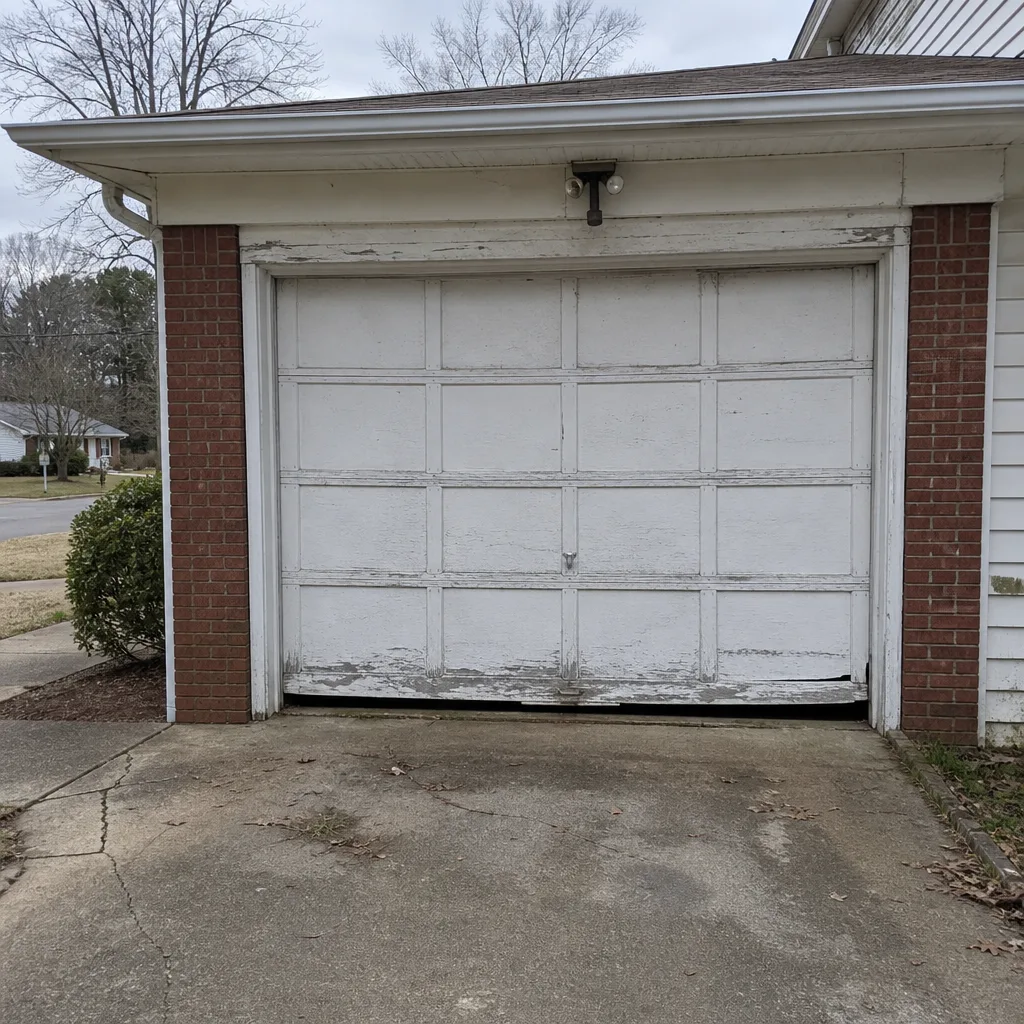
See the difference
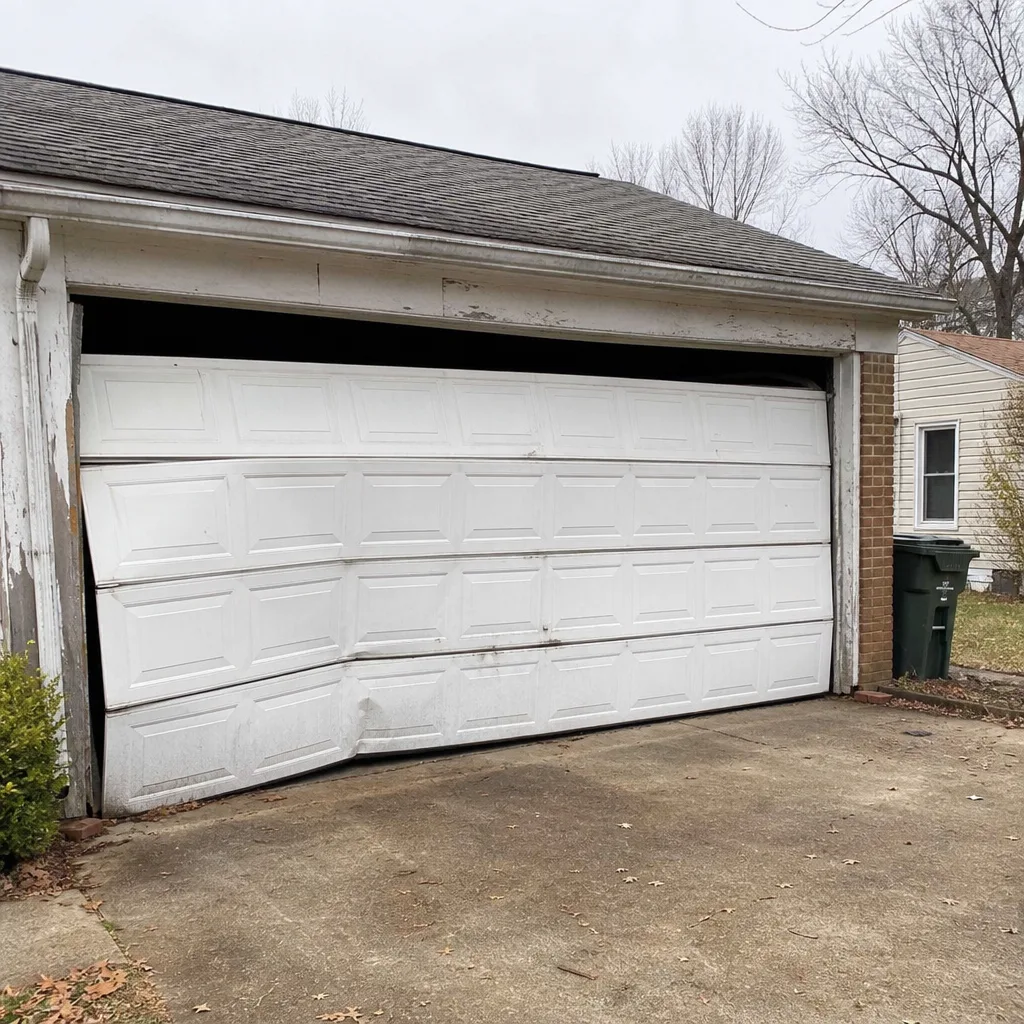 Before
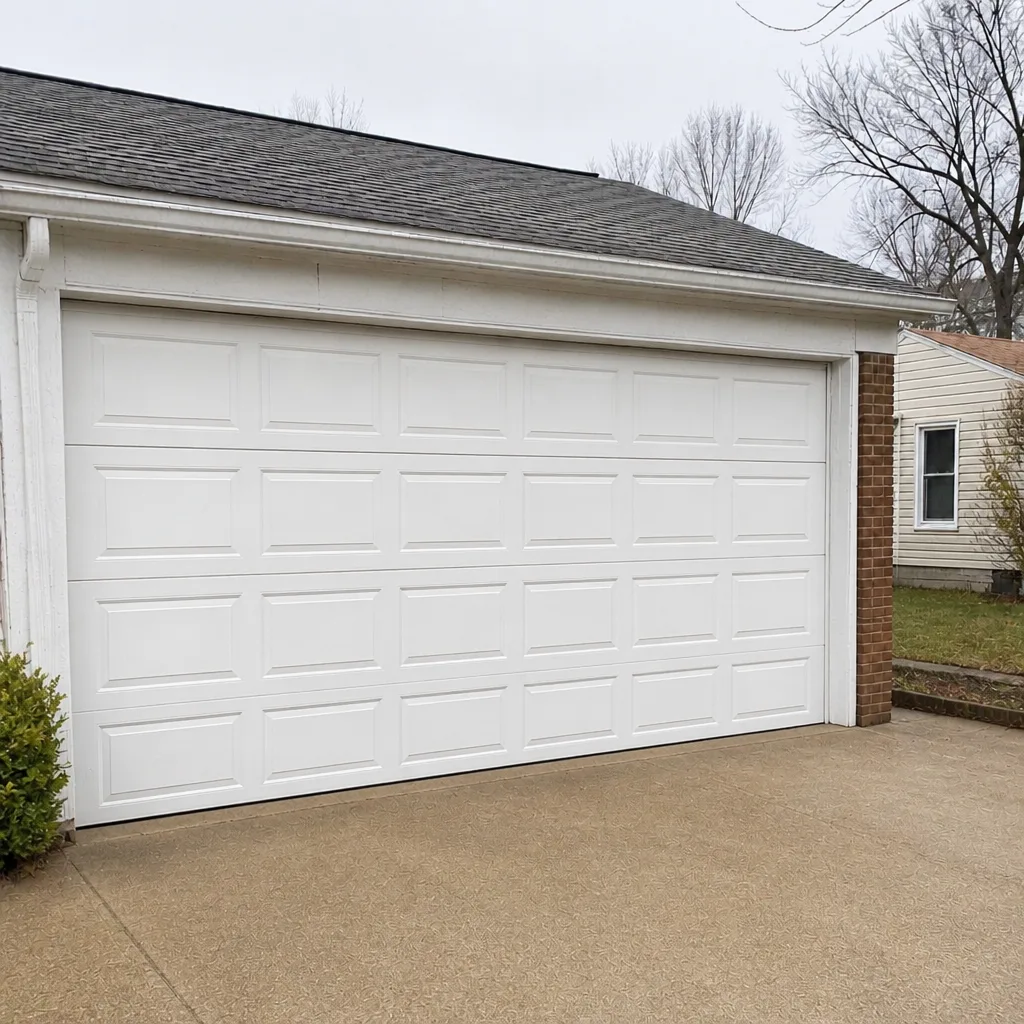 After
 Before
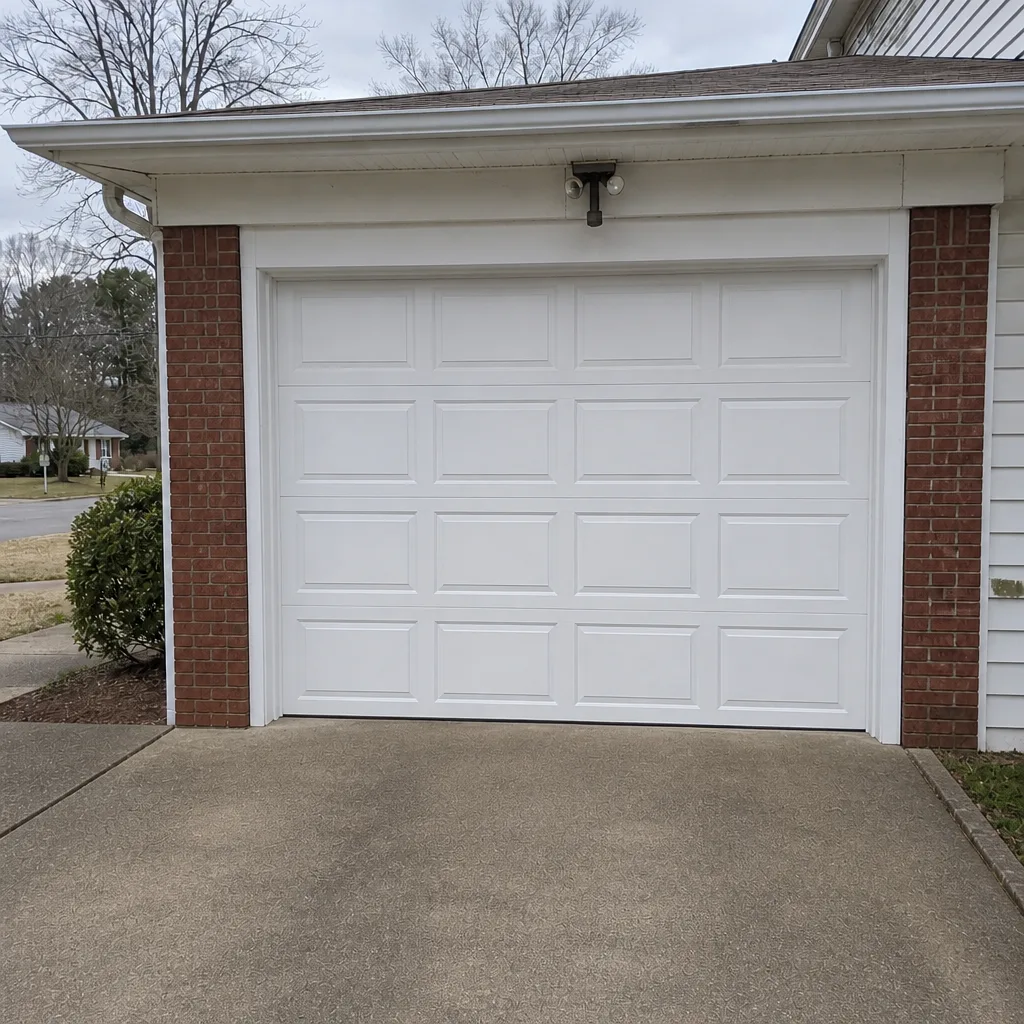 After
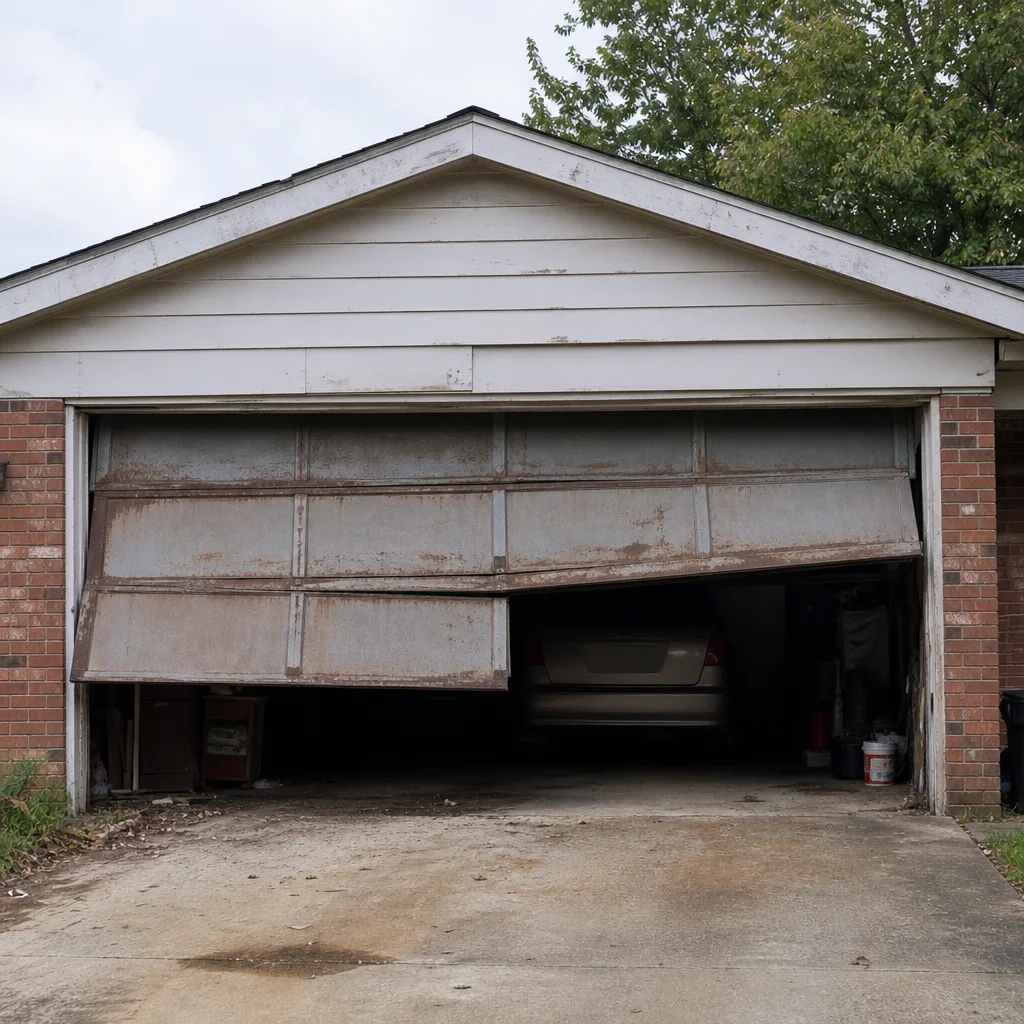 Before
 After
When to Call a Professional
Some jobs are safe to check and adjust yourself: seals, lubrication, visual inspection, and the safety reverse test. Others aren’t. Call us when a spring looks worn or the door is suddenly hard to lift, when the door comes off its track or a panel is damaged, when the opener stops responding or reverses on its own, or when storm damage has visibly bent or knocked the door. If the door is trapping a car or leaving the home unsecured, that’s an emergency call. We handle springs, openers, panels, tracks, and full installations in one visit, so you don’t need to line up multiple contractors. Garage Door Repair Richmond Pros offers free estimates in Richmond; call (855) 774-2730. We answer 24/7, and crews are dispatched for fast service from 7am to 7pm, Sunday through Friday. The price is set by the written estimate before any work starts, so you’ll know the number before the job begins.
Frequently Asked Questions
The single highest-value check is the shoulder-season balance and hardware inspection in March-April and October-November. That’s when Richmond’s temperature swings stress springs and hinges the most, and catching a worn spring or a loose hinge before it fails saves you from a broken door and a bigger repair. Pair it with the end-of-spring humidity check on seals and wood for full coverage.
Yes, but “winterizing” here means three specific things: switching to a cold-rated lubricant before the first hard frost, checking the bottom seal for stiffness or cracks so it doesn’t bond to frozen concrete, and having any worn springs inspected before the cold snaps arrive. Richmond winters aren’t brutal, but the freeze-thaw cycle and cold snaps are enough to cause real problems if the door isn’t prepped. Call (855) 774-2730 for a free estimate if a spring or seal looks questionable.
You can safely lubricate hinges, rollers, and bearings, inspect panels and seals, and run the opener’s safety reverse test. You should not service torsion or extension springs, cables, or the opener’s internal components. Springs store enormous force and can cause serious injury if handled without the right tools and training, so call a trained technician for spring work. We answer 24/7 and handle springs safely as part of our service.
We set the price per job with a written estimate, so the exact number depends on your door, spring type, and parts needed; the written quote is the price. Spring repair is a specialist job because of the real danger involved, and we recommend not attempting it yourself. Call (855) 774-2730 for a free estimate. We answer 24/7, and a call outside dispatch hours is booked into the next opening, Sunday through Friday, 7am to 7pm.
A little stiffness in cold weather is normal, but it should still open and close smoothly. If the door is suddenly much harder to lift, or the opener is straining, that points to a worn spring or thick lubricant, both of which are worth checking before winter sets in. Call (855) 774-2730 and we’ll take a look; estimates are free.
Often, yes. We offer same-day service for repair and emergency calls, and for a door that’s trapping a car or leaving a home unsecured, call first thing. We answer 24/7, and dispatch runs from 7am to 7pm, Sunday through Friday. Installation and replacement work is measured, ordered, and scheduled, so those are booked rather than same-day. Call (855) 774-2730 for a free estimate.
The Bottom Line
Richmond’s garage door care comes down to following the temperature swings rather than the calendar. Do a ten-minute check in late spring (humidity and seals), in March and October (hardware and springs under stress), and before the first hard frost (lubricant and bottom seal). Keep an eye on the safety reverse test monthly, and leave the springs, cables, and opener internals to a trained technician. We work on the brands you’re most likely to have, from LiftMaster and Chamberlain openers to Raynor and Craftsman doors, so diagnosis is quick and parts are right the first time. A yearly professional tune-up and a bit of attention at each transition will keep the door in working order through a Richmond year.
Written by the team at Garage Door Repair Richmond Pros.