
Last updated November 21, 2026
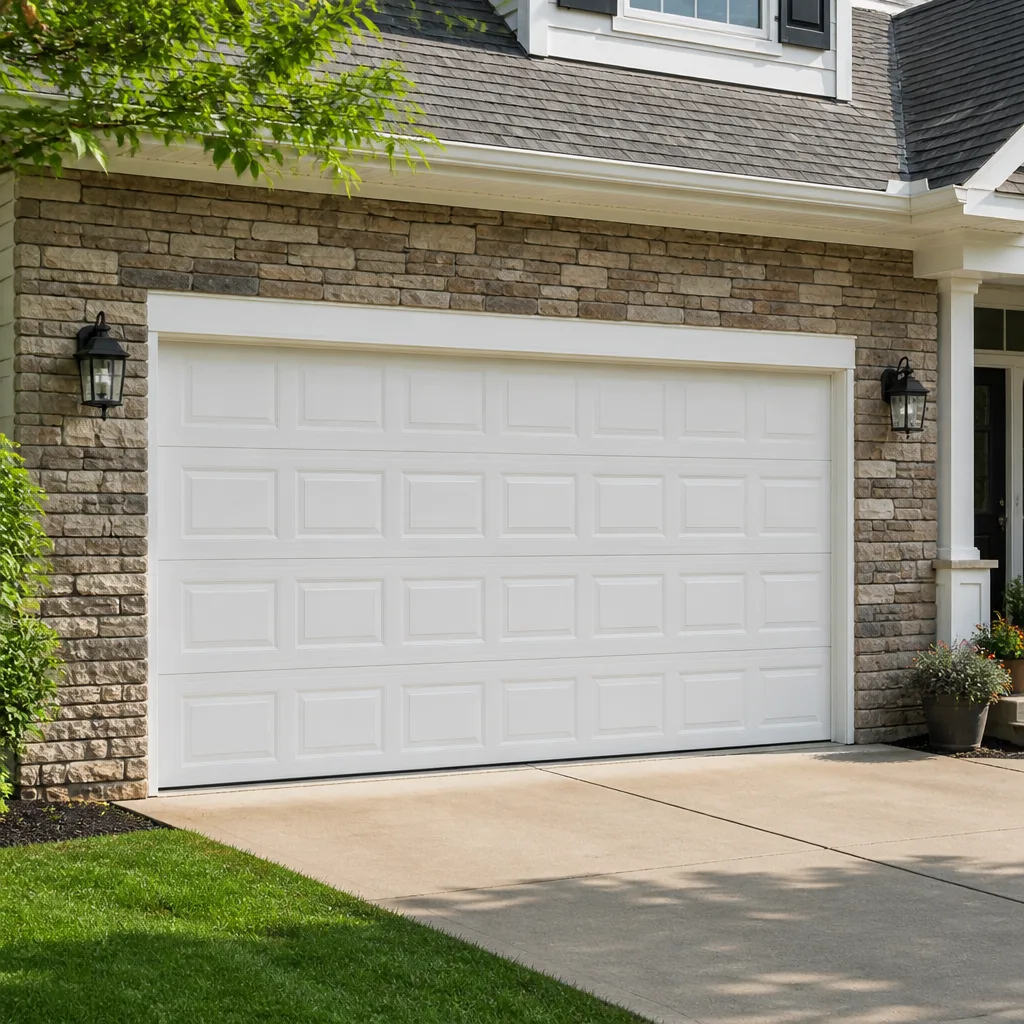 Raised-panel steel
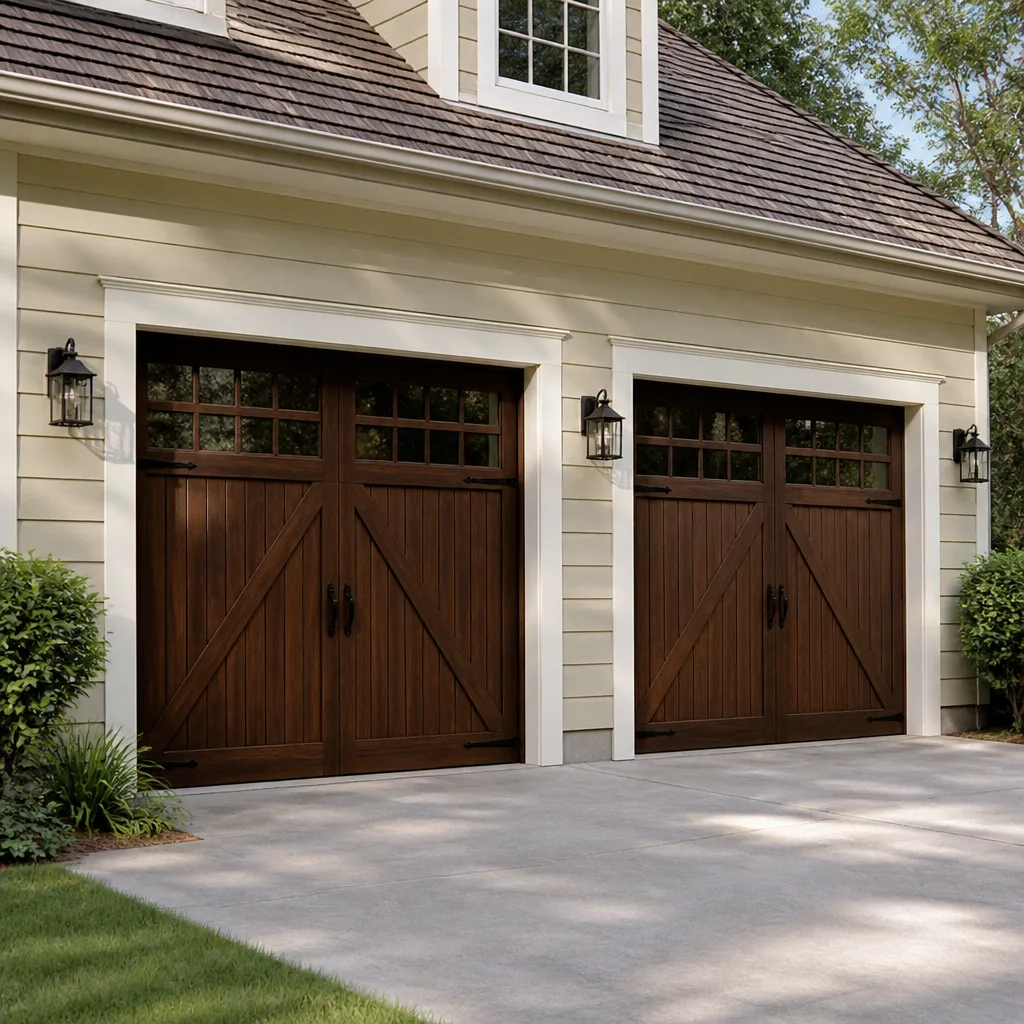 Carriage house
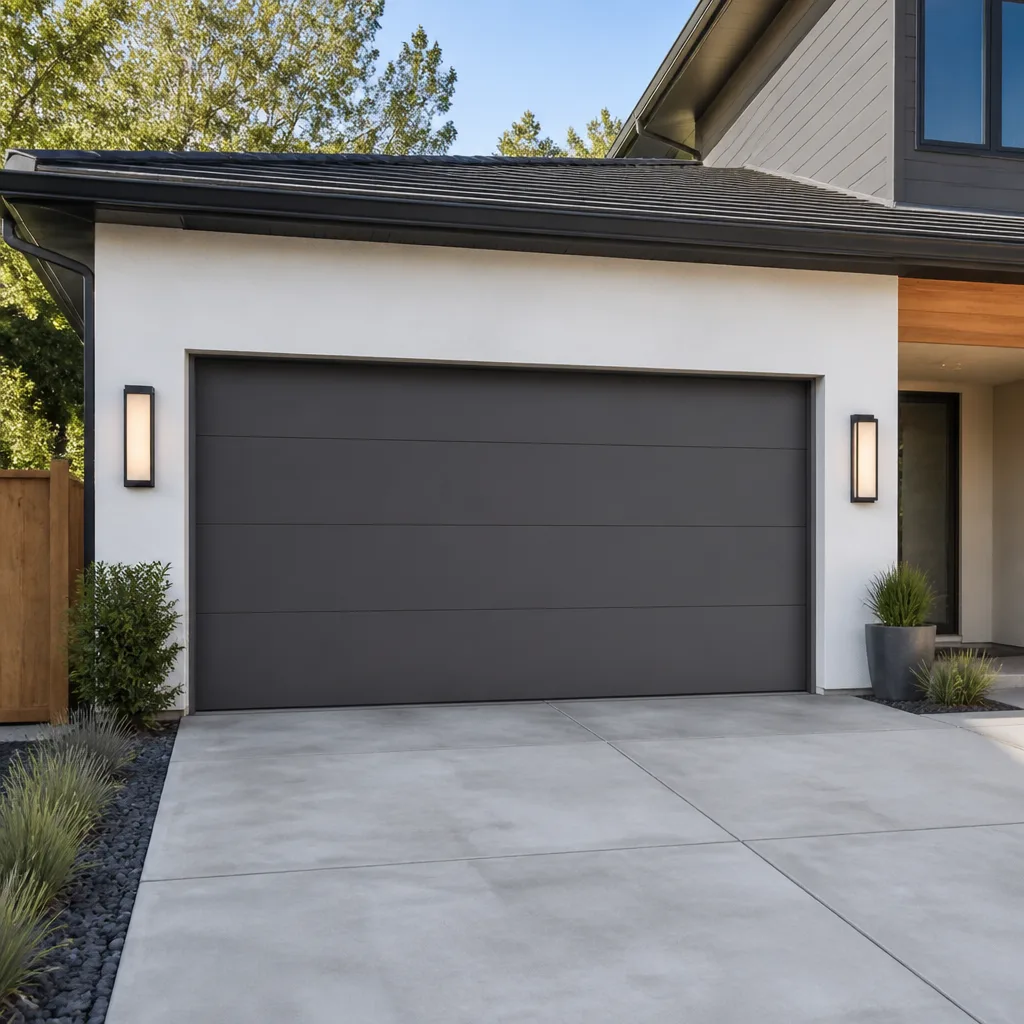 Modern flush
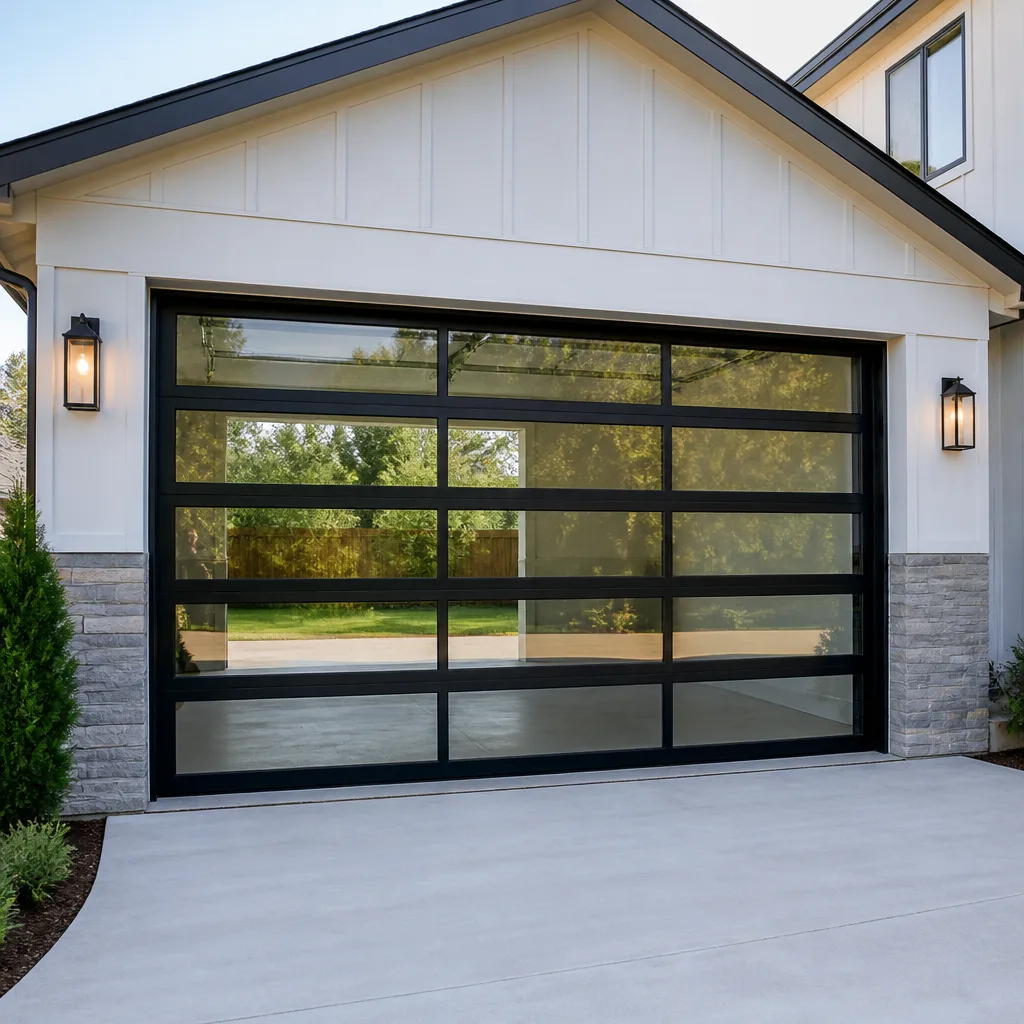 Full-view glass
 LiftMaster openers
 Chamberlain openers
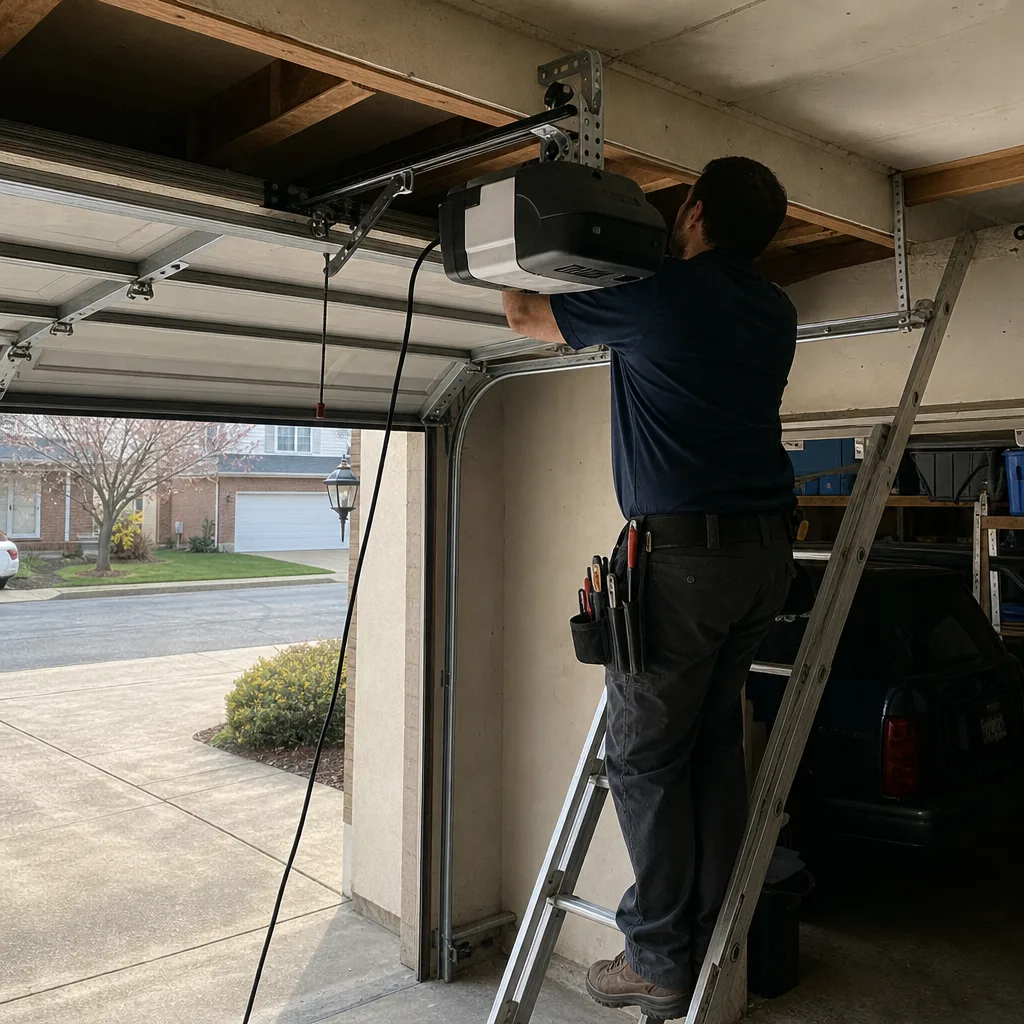
Full 25-point door and opener safety check with every visit - springs, cables, rollers, tracks, and your LiftMaster or Chamberlain opener included
You get a price before we start. It does not change when the pro arrives.
Get your free estimateGarage Door Warning Signs: A Richmond Homeowner’s Reference Guide
Most of the expensive garage door repairs we see in Richmond didn’t start on the day the door stopped working. They started months earlier, with a sound or a small visual change the homeowner noticed and filed away as “just how the door sounds now.” A cable that’s beginning to fray, a roller that skips at the same spot every time, a gap at the bottom that wasn’t there last spring: these are symptoms, and they’re telling you something specific about which component is failing. This guide teaches you to read that language. You’ll learn what each sound points to, which signs mean stop operating the door immediately, which give you a reasonable service window, and how to describe what you’re seeing so a technician can diagnose it faster. Our technicians have up to 13 years of experience, and this is the reference we’d hand a Richmond homeowner before we ever pull into the driveway.
Quick Answer
Garage door warning signs fall into two categories: symptoms you can watch and listen for over time (grinding, popping, rattling, squealing, slow or uneven movement) and safety-critical signs that mean the door should not be operated until a technician inspects it (a visibly frayed cable, a bent or snapped spring, a door that slams down, or one that won’t stay up). Most gradual symptoms give you a reasonable service window of a few weeks; anything involving cables, springs, or a door dropping under its own weight is a stop-now sign.
Styles & brands we work with
- Raised-panel steel
- Carriage house
- Modern flush
- Full-view glass
- LiftMaster openers
- Chamberlain openers
Table of Contents
- What Your Door Is Telling You: A Sound-by-Sound Breakdown
- Visual Warning Signs: What Means Stop Now vs. Service Soon
- How Richmond Humidity Speeds Up Door Wear
- The Safety-Critical Signs: Do Not Operate the Door
- Opener Warning Signs Most Homeowners Miss
- How to Document Warning Signs and Describe Them to a Technician
- A Seasonal Walk-Around for Richmond Doors
- Common Mistakes to Avoid
What Your Door Is Telling You: A Sound-by-Sound Breakdown
A garage door is a system of moving parts working against gravity and a counterbalance spring, and each part makes its own distinct noise when it starts to fail. Learning to separate those noises is the fastest way to narrow down which component is the problem before anyone opens a toolbox. Here’s how we break it down when a homeowner calls in and describes what they’re hearing.
Grinding
A grinding sound that follows the door as it moves usually points to the rollers or the tracks. Worn steel rollers with dry or seized bearings grind against the track as they roll. A bent track section or a track that’s collected grit will produce the same sound. If the grinding is loudest at one specific height in the door’s travel, that’s a strong clue the track is deformed at that spot rather than the rollers themselves being worn out.
Popping
Popping is often the most misunderstood sound, and it’s the one we take most seriously. A sharp pop at the beginning of the door’s upward travel can indicate a torsion spring that’s under unusual load, a loose torsion tube, or a problem with the drum the cable winds onto. A single loud pop followed by a door that suddenly won’t lift is a classic spring failure. Popping should always be investigated, because it may signal a component about to fail under tension.
Rattling
Rattling is usually the mildest of the warning sounds, and it’s often nothing more than loose hardware. Hinges, brackets, and the bolts holding the door panels together work loose over time. A door that rattles more than it used to is telling you to check the fasteners and the roller mounts. It’s a good preventive-maintenance trigger rather than an emergency.
Squealing
A high-pitched squeal as the door moves almost always comes from friction: metal-on-metal contact where there should be lubrication, or worn rollers with dry bearings. Squealing is the easiest sound to act on early, because it tends to appear long before the squealing part actually fails. Left alone, that friction accelerates wear on the surrounding parts.
- Grinding points to rollers or track alignment.
- Popping points to springs, the torsion tube, or cable drums, and warrants prompt inspection.
- Rattling usually means loose hardware and calls for a tighten-and-check visit.
- Squealing signals friction from worn rollers or dried-out moving parts.
If you’re hearing more than one sound at once, describe all of them when you call. A grinding-plus-squealing door is a different diagnosis than grinding alone. If the sounds have gotten worse since the door started sticking or stopping partway, that’s a repair call. To get help narrowing it down, reach out for garage door repair and tell us exactly what you’re hearing.
Visual Warning Signs: What Means Stop Now vs. Service Soon
Sounds come and go, but what you can see is easier to judge and describe. We separate visual signs into two tiers: stop-now signs that mean the door should stay put until a technician sees it, and service-soon signs that give you a reasonable window of a few weeks to get the repair booked. Knowing the difference keeps you from operating a door that’s genuinely unsafe while keeping you from overreacting to normal wear.
Stop-Now Signs
These mean do not operate the door. The risk of injury or further damage is too high to keep cycling it.
- A frayed cable. Any visible fraying, broken strands, or a cable that’s come off its drum. The cables are under extreme tension and hold the whole door’s weight in balance.
- A bent or snapped spring. A torsion spring will show a visible gap where it snapped; an extension spring will be stretched out and dangling. Either way, the door is no longer safely counterbalanced.
- A door that slams down or won’t stay up when you lift it halfway. The spring system has failed and the door is off balance, which puts the full weight on the opener and the tracks.
- A visibly bent track that the door is catching on, especially if the door is jumping or derailing.
Service-Soon Signs
These give you a reasonable window of a few weeks. The door still works, but it’s telling you a repair is coming.
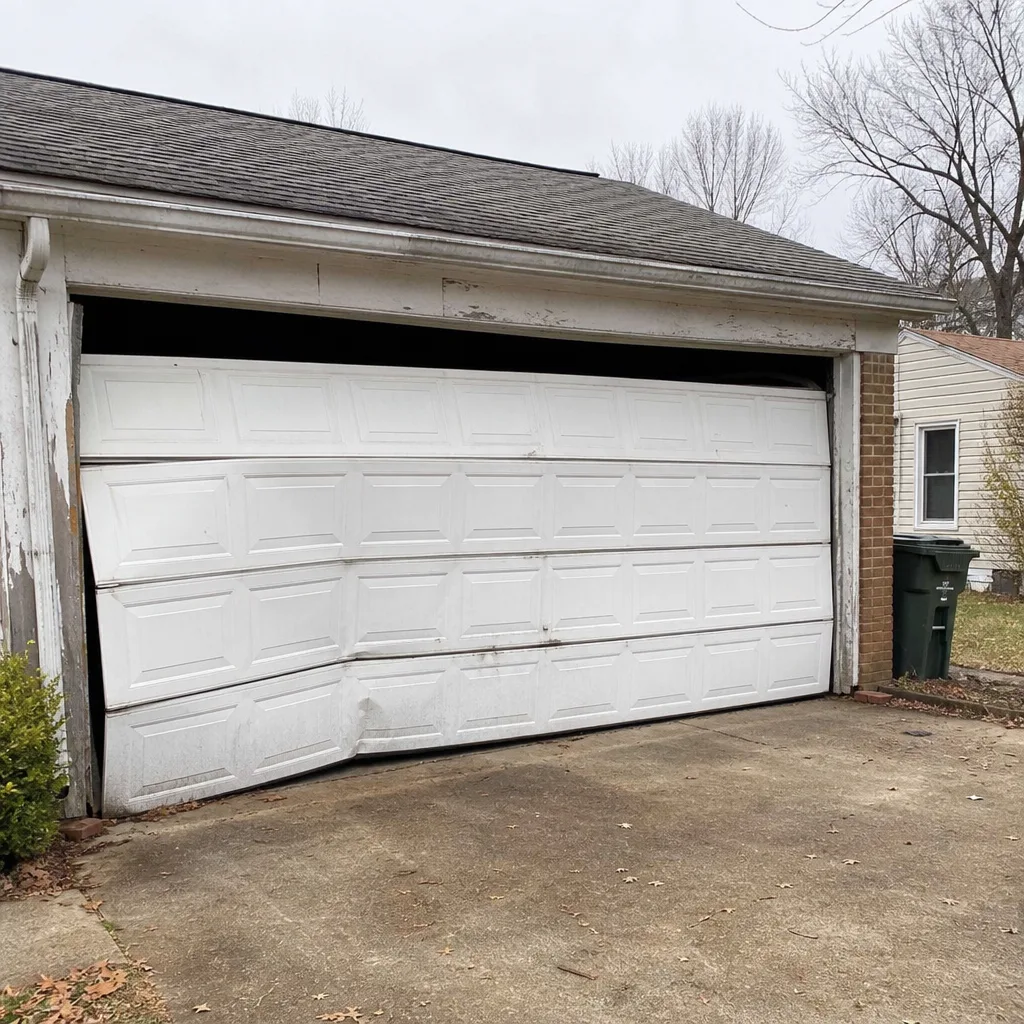
- A gap at the bottom corners of the door when it’s closed, which can mean the panels have shifted or the door is out of square.
- Panels that are out of alignment with one another, or a door that sits crooked.
- Rust spots or bubbling paint along the bottom panel, especially on older steel doors.
- Weatherstripping that’s cracked, torn, or peeling away from the bottom edge.
- Rollers that look worn, flat-spotted, or have visible play in their brackets.
When signs cross from service-soon into stop-now, don’t wait. Call and describe what you see. We answer 24/7, and if the door is stuck or unsafe, that changes the plan. For a door that needs to be brought back into service, see our Garage Door Repair Richmond Pros team, who work on the major brands including Raynor, LiftMaster, and Chamberlain.
How Richmond Humidity Speeds Up Door Wear
Richmond’s summers are humid, and that humidity works on a garage door in ways you might not notice if you’ve only lived in drier places. A garage is often the least climate-controlled room in the house, and it takes on moisture from the outside air, from the concrete floor, and from the ground itself. That moisture shows up as specific early-warning patterns, especially on wood and older steel doors.
On a wood door, humidity drives seasonal movement. Panels swell in the wet months and shrink as things dry out, which can open up hairline cracks at the seams, warp lighter panels, and pull the joints apart over time. If you’ve noticed your wood door fitting differently at different times of year, that’s the wood moving with the moisture, not a track problem by itself. The early-warning sign is a door that’s harder to close in the summer or gaps that open at the panel seams.
On older steel doors, humidity accelerates corrosion at the bottom edge, where the door meets the weatherstripping and the concrete. Rust starts small at the bottom panel and works upward, and once it’s into the steel, the panel’s structural integrity is reduced. Richmond homeowners in older neighborhoods often see the first rust at the very bottom corners of the door, where damp air and the concrete meet.
Beyond the door itself, humidity affects the tracks and hardware. Track brackets work loose as the concrete and framing around them expand and contract seasonally, and that’s why a door that ran quietly all spring can start rattling by late summer. The springs and opener hardware don’t mind humidity, but the friction points do, which is one more reason squealing tends to show up in the wetter months.
What to watch for in Richmond specifically:
- Wood door seams opening up in summer, then closing again in the dry months.
- Rust at the bottom corners of older steel doors, just above the weatherstripping.
- Tracks that shift or loosen seasonally, causing a new rattle or stick.
- Weatherstripping that fails faster here than in drier climates.
If your door’s seasonal pattern is getting worse year over year rather than settling back, that’s the point to have it looked at. A door that’s out of square will wear its rollers and track unevenly, and that wear compounds. If you’re weighing a repair against a replacement, our guide on garage door installation walks through the signs a door has moved past repair.
The Safety-Critical Signs: Do Not Operate the Door
Some garage door problems are maintenance issues, and some involve stored energy that can cause serious injury. Those two categories deserve very different treatment, and we want to be blunt about the second one. A garage door’s counterbalance system, whether torsion springs above the door or extension springs at the sides, stores enough energy to lift a door that weighs hundreds of pounds. When that system is compromised or you work on it without the right tools and knowledge, the risk isn’t a broken door; it’s injury.
The signs below mean the door should not be operated until a trained technician has looked at it. We’re going to describe them plainly, and then we’re going to tell you what to do, which is not to open the door yourself.
- A snapped or visibly stretched spring. If the door will lift at all, it’s lifting far more weight than it should, and the opener is doing work it wasn’t designed to do. Stop.
- A visibly frayed, kinked, or detached cable. The cables are under tension and can fail suddenly. Don’t touch them, and don’t cycle the door to “see if it’s really broken.”
- A door that falls or drops when you lift it. A door that won’t stay up when raised partway is off balance and can come down on whatever is under it.
- Loud popping or a bang followed by a door that won’t move. This is a spring letting go. Don’t keep pressing the opener.
- A door that’s come off its track or is hanging crooked from one side. Operating it risks the door coming down or a panel collapsing.
- A gap or misalignment so severe the door binds and the opener strains. Shut off the opener at the wall control and disconnect the emergency release so no one cycles it by accident.
If any of these are present, disconnect the opener (there’s a manual release) so the door can’t be cycled, keep children and pets clear, and call us. We answer 24/7. This is where emergency response matters, because a door stuck in a vulnerable state, or one that’s trapped a car and left the house unsecured, is the scenario that needs a same-day visit, not a scheduled one.
We want to be clear about the danger because we’ve seen the result of homeowners trying to handle spring work themselves. The springs are the dangerous part, and adjusting or replacing one requires the right tools and the knowledge of how to release and re-set that tension safely. It’s not a do-it-yourself job, and no guide can make it one. Our spring repair work is exactly the kind of technically demanding job that separates a dedicated garage door specialist from a general handyman. Leave the springs and cables to someone trained for them and use the time to describe your door to us instead.
Opener Warning Signs Most Homeowners Miss
The opener gets blamed for a lot of problems that are actually the door’s balance or track, and it also develops its own set of warning signs that go unnoticed because the door still “works.” A failing opener gives you clues if you know where to look. Since the opener is the part of the system most homeowners interact with, it’s worth spotting its decline early.
The most common opener warning signs:
- The door reverses on its own partway down, or reverses when it hits something small. That’s a safety-sensor or force-setting issue, often nothing more than the photo-eye sensors being misaligned or dirty.
- The opener strains or sounds labored when the door moves. If the door itself is heavy or off balance, the opener is working harder than it should, and that’s a door problem showing up through the opener.
- The remote or keypad only works intermittently. Often a sign of a battery or a worn receiver, but occasionally a wiring or logic-board issue.
- The door only opens partially and stops. This can be a travel-limit setting, an obstruction, or a worn opener gear.
- The opener runs but the door doesn’t move (you hear the motor but nothing happens). That points to the opener’s gear, chain, or belt, or the door is bound in its track.
If you have a LiftMaster, Chamberlain, Genie, or the older Craftsman opener common in many Richmond garages, the failure modes differ by make and vintage, which is why being familiar with the specific brand shortens diagnosis. If your opener is showing these signs and the door itself moves freely and stays up when you lift it, the problem is likely in the opener and not the door. To get that looked at, our garage door opener repair covers the major opener brands. Our technicians are trained on those brands and can tell you what’s failing without guessing at parts.
How to Document Warning Signs and Describe Them to a Technician
This is the part of the guide that saves you time and money. A clear report of symptoms shortens diagnosis, and shorter diagnosis means less time on the job. Most homeowners describe a problem in a way that forces the technician to start from scratch. You can do better with a few minutes of note-taking. Here’s the process we’d recommend before you call.
- Note the sound and where in the door’s travel you hear it. “A grinding noise, loudest about halfway up” tells a technician far more than “it’s making a noise.”
- Look at the door and note any visual changes. Gaps at the bottom, rust, misaligned panels, a frayed cable. Take a photo with your phone. Photos help enormously.
- Test how the door balances, safely. With the opener disconnected, lift the door halfway and let go. A balanced door stays roughly where you put it. A door that won’t stay up has a spring or balance problem. Don’t force anything.
- Write down when it started and whether it’s getting worse. “It’s been rattling for a couple months and now it sticks at the top” is a useful timeline.
- Note the door brand and, if you know it, the opener brand. LiftMaster, Chamberlain, Genie, Clopay, Amarr, Wayne Dalton, Craftsman, and Raynor are the brands we work on regularly, and knowing yours helps us bring the right parts.
When you call, read your notes. You don’t need to diagnose it. A clear description of the signs you’re seeing and hearing is enough to point a trained technician toward the likely cause. That’s the whole point of learning to read your door’s warning signs: you’re not fixing it yourself, you’re giving the repair the best possible start.
A Seasonal Walk-Around for Richmond Doors
The most reliable way to catch warning signs before they become repairs is a short seasonal check. Put a reminder on your calendar to walk around your door twice a year, when the seasons turn from cool to warm and from warm to cool. Here’s the routine we suggest, adapted to the way Richmond weather swings.
- Walk the full travel of the door. Open it fully and close it fully once, and just watch and listen. Any new sound or hesitation is a data point.
- Look at the bottom corners. Check for rust, water staining, or a gap above the weatherstripping.
- Check the springs and cables for visible rust, fraying, or a gap in a torsion spring. Don’t touch them, just look.
- Give the roller mounts and hinges a visual once-over for anything that’s worked loose or looks worn.
- Test balance with the opener disconnected using the release, lifting the door halfway and noting whether it stays.
- Test the safety sensors by passing an object (not a hand) through the door’s path while it’s closing; the door should reverse.
- Check the weatherstripping at the bottom and sides for cracking or gaps, especially after a wet stretch.
Richmond’s own seasons make two of these checks especially worth the time. In late spring, after the wettest months, look hard at wood and older steel doors and the weatherstripping. In late fall, before the cool dry months, check for rattles and loose hardware that showed up over the summer. Catching a rattle or a gap when it’s small is what keeps it from becoming a track or panel problem.
Common Mistakes to Avoid
- Assuming the sound is normal because it’s been there a while. A door that’s been grinding for months didn’t stop being a problem; the part kept wearing. The longer you wait, the more of the system takes on the extra wear.
- Pressing the opener harder to “get one more use.” If the door is bound, off balance, or making popping sounds, cycling it just loads the opener and the tracks. For the safety-critical signs above, that’s the opposite of safe.
- Treating the opener as the cause of every problem. A door that’s heavy, crooked, or sticking will make any opener look like it’s failing. Diagnosis starts with the door, then the opener.
- Ignoring the bottom of the door, where Richmond humidity does its work. Rust and weatherstripping failure start at the bottom edge. That’s the first place to look.
- Greasing or lubricating the wrong parts. Some parts benefit from lubrication and some are meant to stay dry. Applying the wrong product can attract grit and speed wear, so ask which parts to leave alone.
- Waiting for the annual walk-around to notice a stop-now sign. Visual checks don’t require a scheduled visit. If you see a frayed cable or a snapped spring, that’s a call now, not at the next reminder.
- Associating a report of symptoms with a guaranteed price over the phone. A technician can give a ballpark, but the written estimate after inspection is the price. We set the price per job and agree it in writing before the work starts.
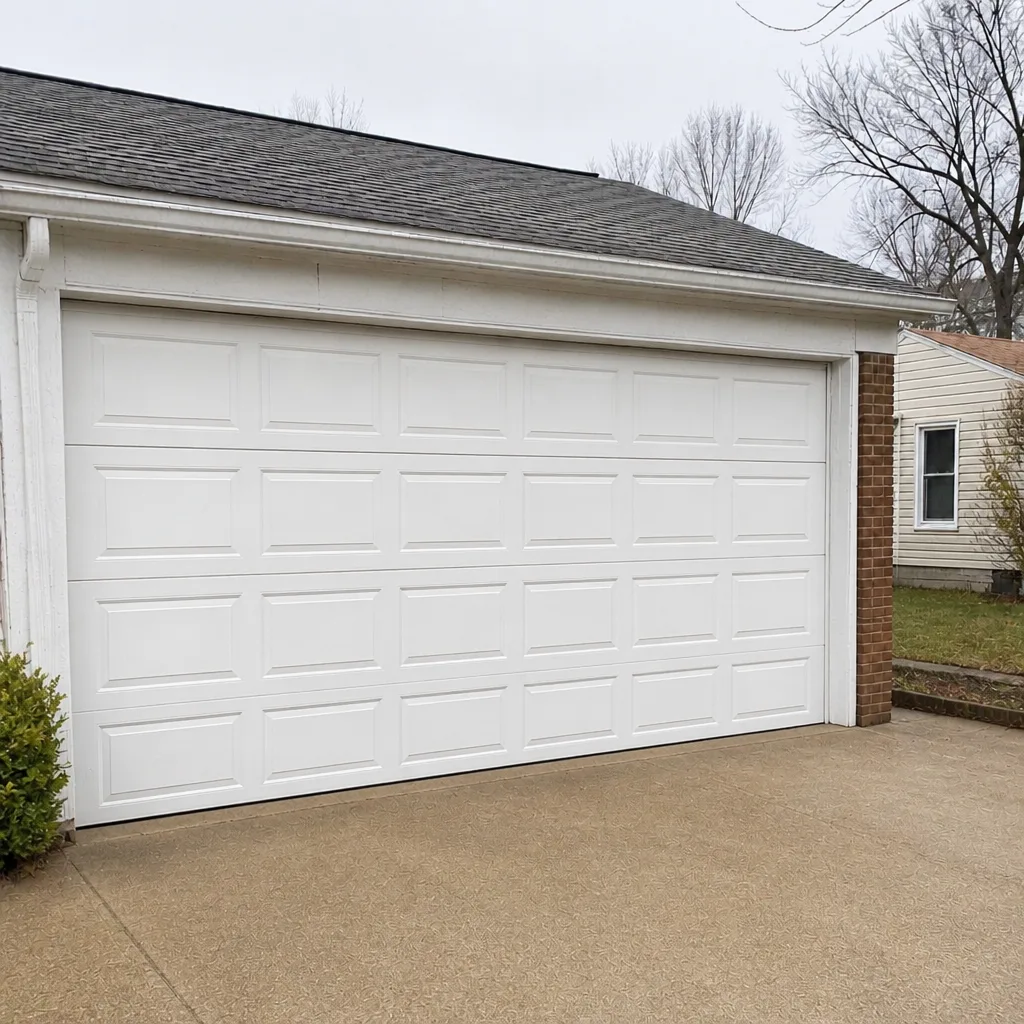
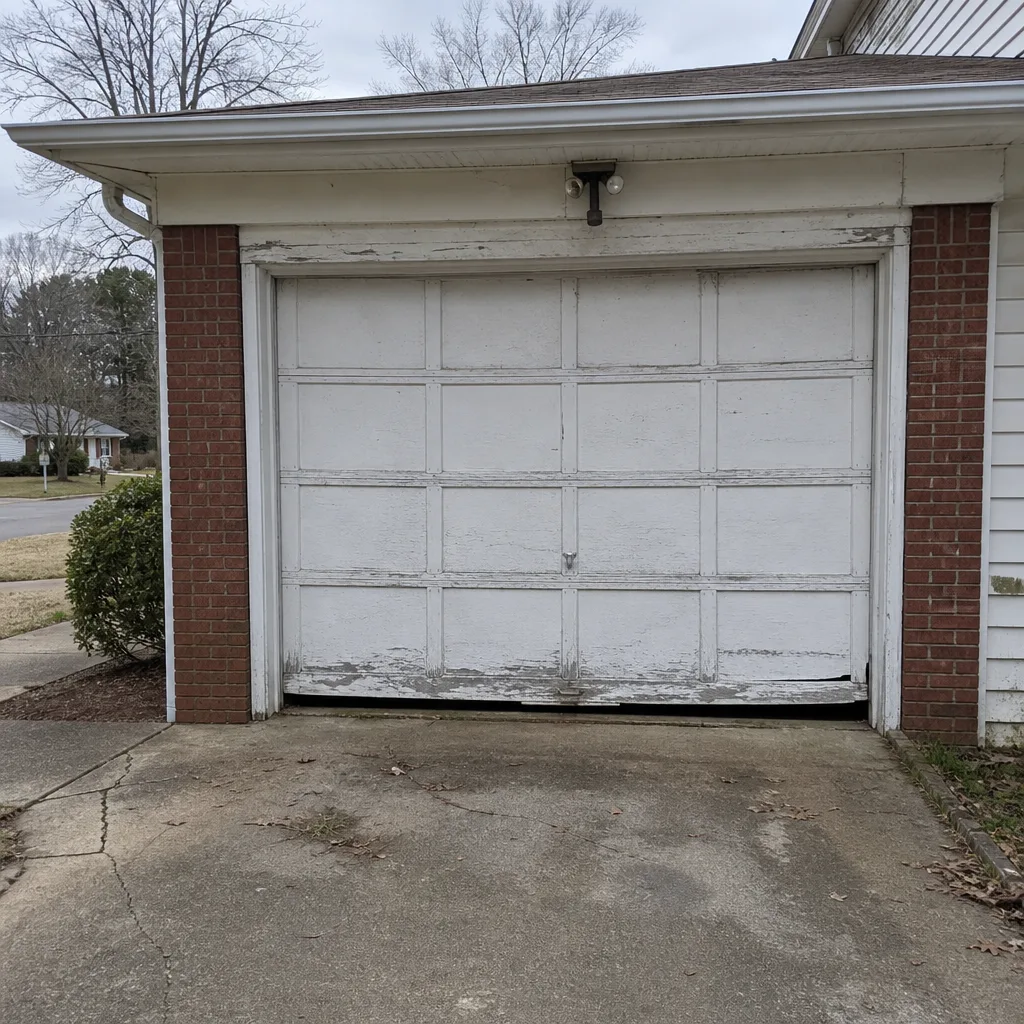
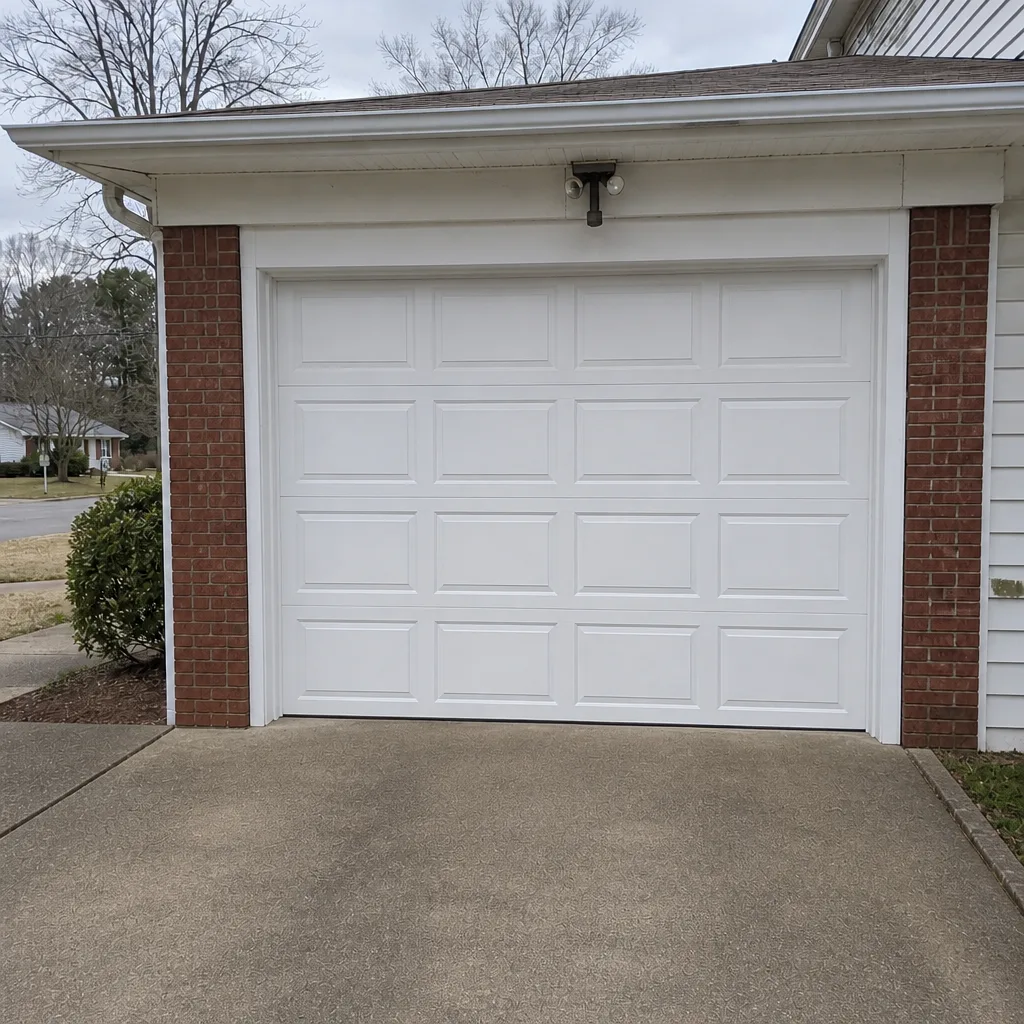
See the difference
 Before
 After
 Before
 After
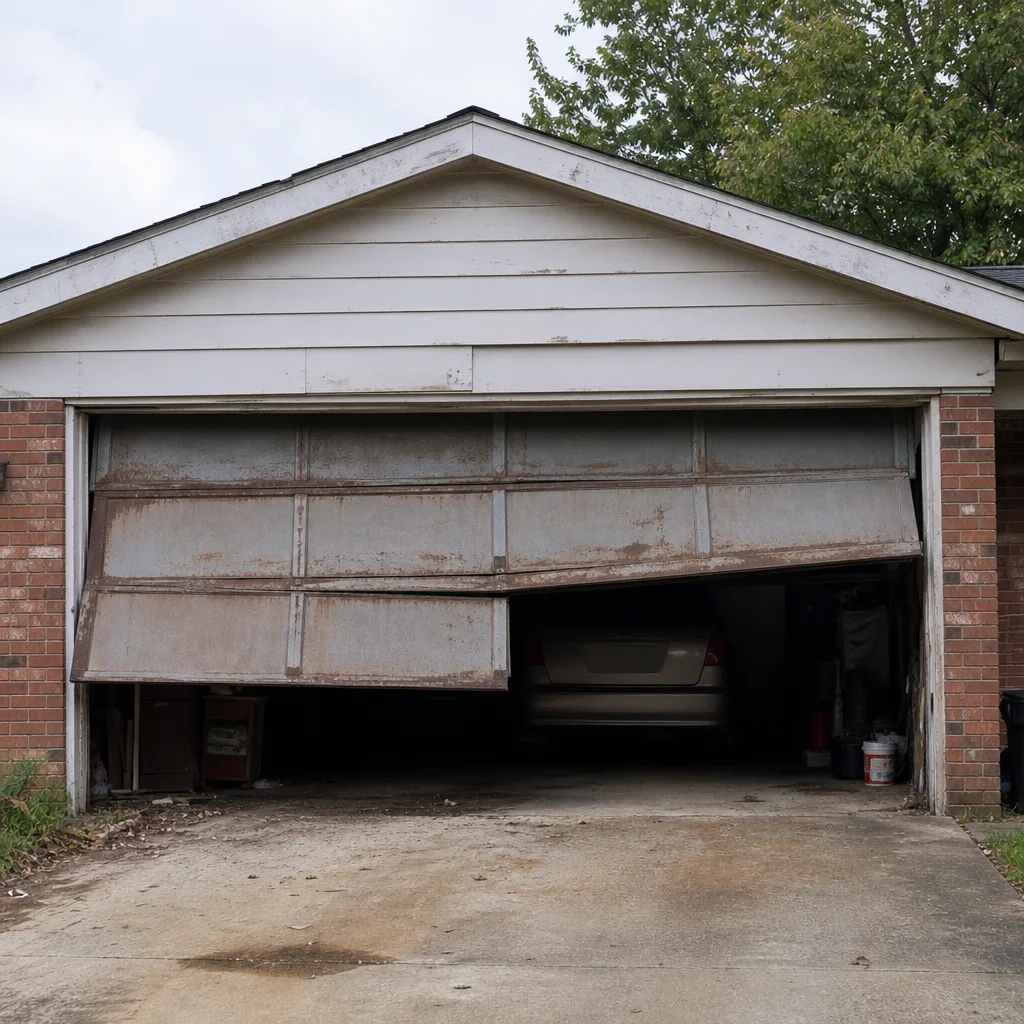 Before
 After
When to Call a Professional
Call a professional today if you see a frayed cable, a snapped or visibly stretched spring, a door that drops when lifted, popping or banging followed by a door that won’t move, or a door that’s off its track. Those are the signs that put a door in the do-not-operate category, and the right move is to disconnect the opener and call. Call soon for a door with a gap at the bottom, misaligned panels, a new rattle or squeal, or one that needs a force-setting or sensor adjustment. Those give you a reasonable window, but the door will wear faster if you wait. And call if you’re uncertain which category you’re in: describing the signs is the fastest way to find out. Garage Door Repair Richmond Pros offers free estimates in Richmond, and we work on LiftMaster, Chamberlain, Genie, and the other major brands. Call (855) 774-2730. We answer 24/7. Fast dispatch from 7am to 7pm, Sunday through Friday.
Frequently Asked Questions
Anything involving a frayed cable, a bent or snapped spring, a door that drops under its own weight, or a door that’s off its track is urgent and means stop operating the door. Grinding, rattling, squealing, a gap at the bottom, or worn weatherstripping are service-soon signs with a reasonable window of a few weeks. When you’re not sure, call and describe the symptom; estimates are free.
A grinding garage door usually points to worn rollers or a track that’s out of alignment, and Richmond’s seasonal moisture makes tracks more prone to shifting and collecting grit. If the grinding is loudest at one spot in the door’s travel, the track is the more likely culprit. Call (855) 774-2730 for an exact quote; estimates are free.
No. Popping is one of the sounds we take most seriously because it can indicate a spring under unusual load or a torsion tube or cable-drum issue, and the next event may be a failure. Stop cycling the door and have it inspected. Call (855) 774-2730; the door coming out of service is exactly the kind of situation we handle as emergency work.
The written estimate is the price. We inspect the door, explain what’s failing, and agree the cost with you in writing before any work starts, so the invoice isn’t a surprise. If the inspection turns up something beyond what was expected, you’ll hear about it before it’s done, not on the bill. Call (855) 774-2730 for a free estimate.
Richmond humidity drives seasonal movement in wood doors and accelerates corrosion on older steel doors, and the concrete and framing around the track brackets expands and contracts with the weather. That’s why a wood door fits differently in summer versus winter, why rust starts at the bottom corners, and why a quiet door can start rattling by late summer. Call (855) 774-2730 if the seasonal pattern is getting worse year over year.
We do same-day and emergency work for doors that are stuck, unsafe, or leaving the house unsecured. Call (855) 774-2730. We answer 24/7. Fast dispatch from 7am to 7pm, Sunday through Friday, and if you call outside dispatch hours we’ll book you into the next opening.
The Bottom Line
Your garage door is telling you what’s about to fail long before it fails, if you know what to listen for and what to look at. Separate the service-soon signs (grinding, rattling, squealing, gaps, rust, worn weatherstripping) from the stop-now signs (frayed cables, snapped springs, a door that drops, popping followed by no movement). Watch the bottom corners and the seasonal patterns in Richmond’s humid climate, do a short walk-around twice a year, and document what you see so a technician can diagnose it faster. And treat spring and cable problems with the caution they deserve. Leave those to a trained specialist. The earlier you act on a warning sign, the smaller the repair and the sooner the door is back in working order.
If your door is showing any of these signs, call Garage Door Repair Richmond Pros at (855) 774-2730 for a free estimate. We answer 24/7, with fast dispatch from 7am to 7pm, Sunday through Friday, and same-day service for doors that need it.
Written by the team at Garage Door Repair Richmond Pros.