
Last updated November 21, 2026
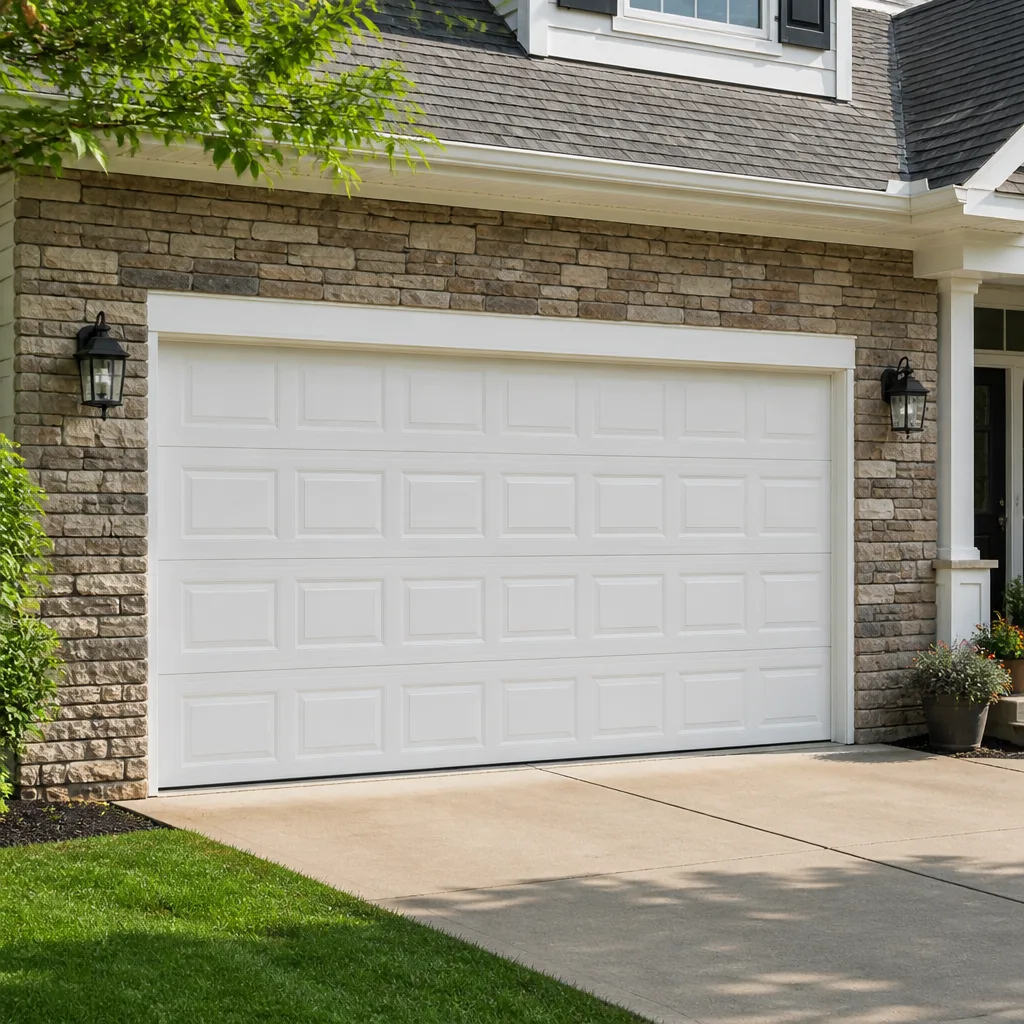 Raised-panel steel
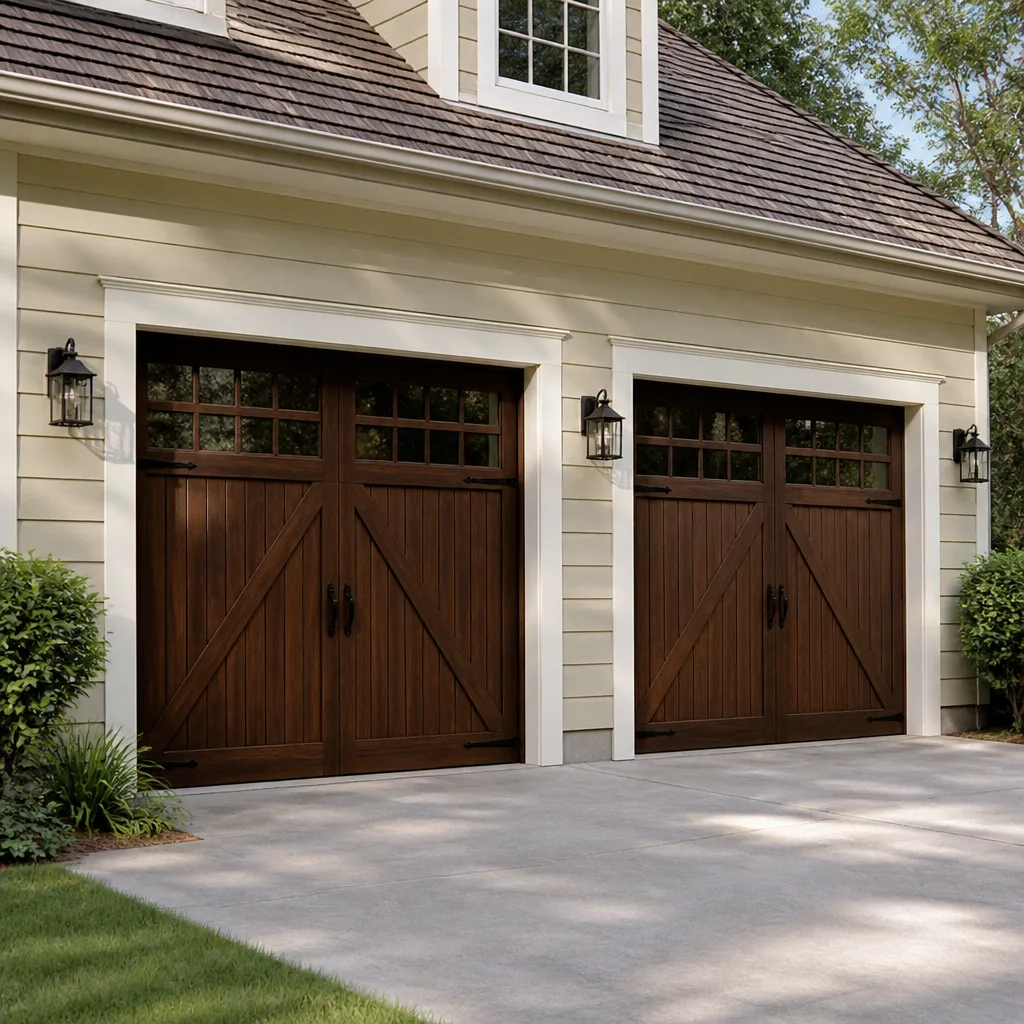 Carriage house
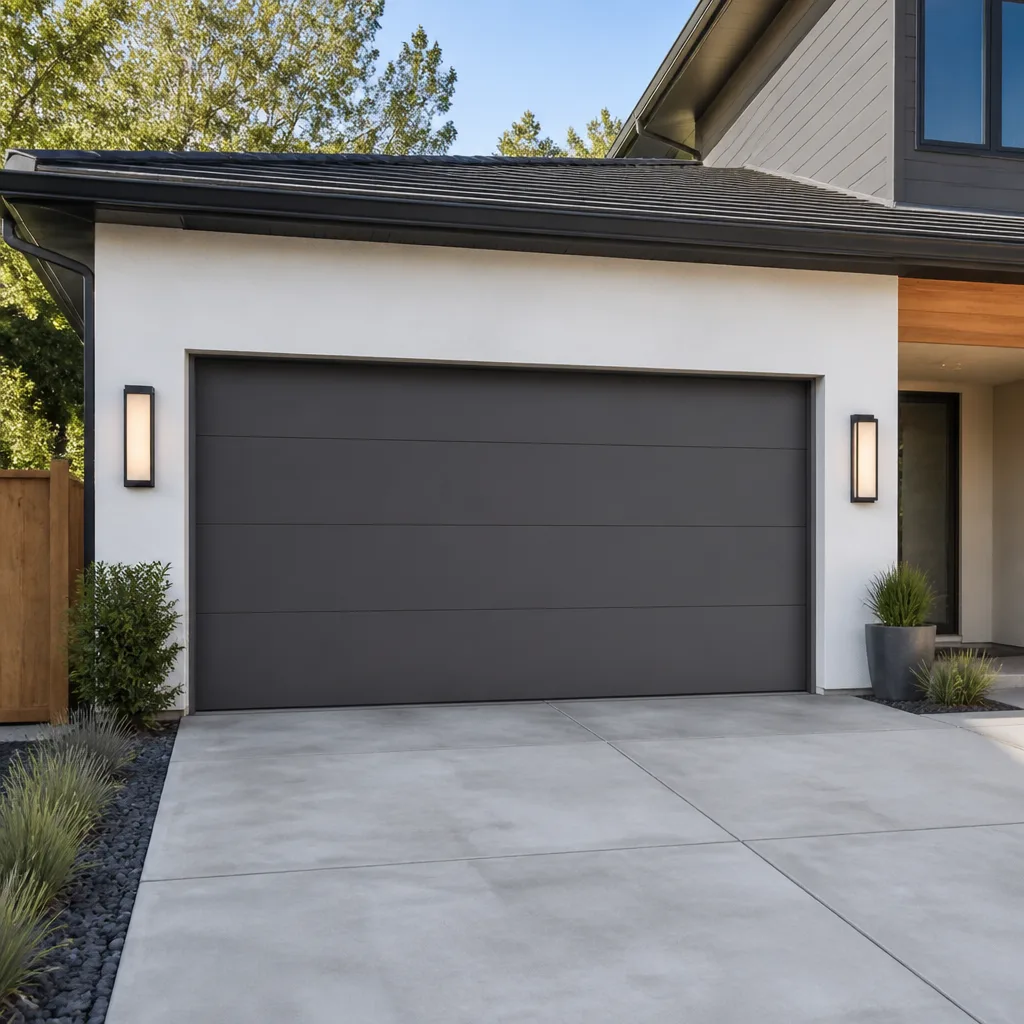 Modern flush
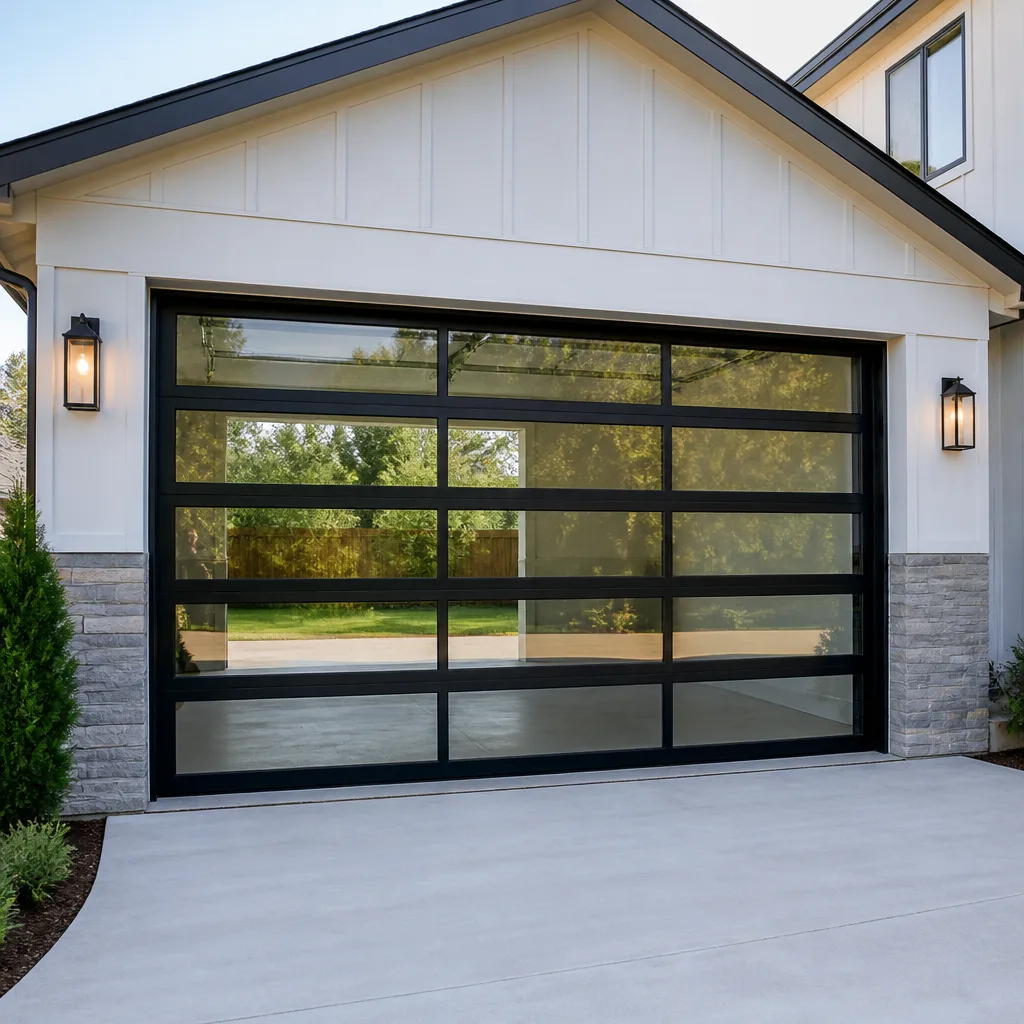 Full-view glass
 LiftMaster openers
 Chamberlain openers
Full 25-point door and opener safety check with every visit - springs, cables, rollers, tracks, and your LiftMaster or Chamberlain opener included
You get a price before we start. It does not change when the pro arrives.
Get your free estimateDIY vs Professional Garage Door: The Richmond Homeowner’s Decision Guide
Most garage door advice online gets the DIY question backwards. It asks whether you’re handy enough. The real question is whether the task has room for error at all. A torsion spring under tension stores enough energy to cause serious injury in a fraction of a second, and it’s the most commonly DIY’d component on garage doors, because a video makes it look manageable. Some tasks on a Richmond door forgive mistakes: weatherstripping, lubrication, a shallow dent. Others don’t forgive anything. This guide sorts the two groups apart, task by task, so you can decide with clear eyes instead of guesswork.
Quick Answer
Repairing or replacing torsion or extension springs, cables, and bottom brackets is not a DIY job at any skill level – those parts can injure you badly, and the tools needed to handle them safely aren’t in a normal household. Weatherstripping, lubrication, balancing checks, and small cosmetic fixes are genuinely fine to do yourself. Panel, track, and opener problems sit in between: you can often diagnose them, but the repair usually belongs with a trained technician. Call (855) 774-2730 for a free estimate on anything past a basic adjustment.
Styles & brands we work with
- Raised-panel steel
- Carriage house
- Modern flush
- Full-view glass
- LiftMaster openers
- Chamberlain openers
Table of Contents
- The One Rule That Decides Every DIY Question
- What’s Genuinely DIY-Safe on a Garage Door
- What Straight-Up Requires a Professional
- The Tools That Make Spring and Cable Work Safe
- How Virginia Liability and Insurance Treat Unprofessional Repairs
- The Hidden Cost of a Failed DIY Attempt
- How to Diagnose the Problem Yourself
- What Richmond Weather Does to a Garage Door
The One Rule That Decides Every DIY Question
Ask one question before you pick up a tool: if this goes wrong, who does it hurt? A garage door fails in two different ways depending on which part breaks. A misadjusted weather seal lets in a little air. A slipping cable can release a door that weighs several hundred pounds or fire a piece of tensioned metal across the room. The door doesn’t care how careful you are or how many videos you’ve watched.
That’s why “I’m handy around the house” is a poor guide here. Skill matters, but margin for error matters more. A homeowner who is comfortable on a ladder and genuinely good with tools can still make a spring job go catastrophically wrong, because the dangers aren’t wood rot or a leaky tap. They’re stored energy. If a repair holds that energy in place while you’re working near it, it belongs to a professional.
We’ve worked on Richmond doors long enough to see this clearly. A lot of the brand knowledge helps: knowing how an Amarr torsion setup differs from a Wayne Dalton extension system tells you where the energy actually sits. But whether you’re in the Fan, out in Short Pump, or near Midlothian, the rule stays the same.
So here’s the framework this whole guide uses:
- Can you do it yourself? Only if the worst outcome is cosmetic or an easy redo.
- Should you do it yourself? Only if the task doesn’t involve a spring, a cable, a bracket that holds either one, or live electricity.
- Should you call? Anything where a mistake could injure you, drop the door, or void the safety of the whole system.
Let’s sort the actual tasks.
What’s Genuinely DIY-Safe on a Garage Door
Yes, there are real DIY-safe tasks, and doing them yourself is smart. Here’s what you can handle without worrying about injury or wrecking a door.
Weatherstripping
The rubber seal along the bottom and the brush or foam strips around the sides do most of the work of keeping the weather out. They wear out, they crack, and they’re inexpensive. Replacing them is a ladder job with a few hand tools – no springs, no tension, no cables. Richmond sees enough humidity and temperature swing through the year that seals stiffen and dry out faster than many homeowners expect, so this is worth checking once a year even if you do nothing else yourself.
Lubrication
Keeping the moving metal parts – the rollers, the hinges, the metal track (not the plastic or nylon components that some lubricants degrade) – quietly oiled cuts noise and reduces wear. It’s low-risk, and your door runs smoother for it. One warning: don’t get lubricant on the torsion springs or cables, and don’t use greasy products on the opener rail if the manufacturer specifies otherwise. Check the door’s own manual because the required care differs by system.
Minor panel dents
A shallow dent, usually from a bumped car or a stray ball, is mostly a cosmetic problem. If the panel is only slightly out of shape and still seals against the weatherstripping, you can often work a small dent out or simply live with it. The moment a panel is badly bent, cracked, or pulled away from its track, it’s no longer a cosmetic task.
Basic balance and clearance checks
You can absolutely do the safety checks that don’t put your hands in the path of the springs. With the door closed, test the manual release, look for loose hardware, listen for grinding, and confirm the safety sensor reverses the door when you put an object in its beam. This kind of hands-off inspection is where a homeowner should do their homework.
Keeping the opener remote working
Changing batteries, re-pairing a simple remote to the wall unit, and cleaning the photo-eye lenses are all fine. Opener electronics and wiring are another matter – we cover that below.
That’s the safe list. It’s shorter than the do-it-yourself internet suggests, but it’s honest. If your task isn’t on it, the next two sections are for you.
What Straight-Up Requires a Professional
Some jobs have no safe DIY version. Not for beginners, not for a confident homeowner, not for a strong person with good tools. Here they are, and why each one matters.
- Torsion springs. A torsion spring holds the door’s weight and stores serious energy while it sits above your head. If a tool slips, that energy releases. This is the single most dangerous part on a garage door, and it’s the part most homeowners try first after watching a video. A trained technician has the correct winding bars and the training to keep the spring controlled the whole time.
- Extension springs. The springs on the sides of some doors store the same energy in a straight line. If one breaks under tension, it can snap back. Older extension systems without a containment cable are a real hazard – but never add or adjust anything on either spring type yourself.
- Cables and bottom brackets. The cables carry the door’s load, and the bottom bracket is anchored to both the cable and the door. The bracket holds tension at the bottom edge; if it lets go, the cable snaps and the door can drop. A garage door cable is not something to detach.
- Tracks that are bent or out of alignment. A warped track can let the door fall out of its path. Straightening is more than running a hammer along it – too much force can bend a roller or shift the door out of line.
- Panel replacement. A whole section is a heavy, awkward, load-bearing part that has to be fitted correctly so the door stays level and balanced.
- Opener electronics and electrical work. Wiring a new opener or working near the electrical panel is not a homeowner job. If your opener has electrical faults, that’s a licensed technician’s territory. Our garage door opener repair covers everything from remote pairing to worn drive gears.
- Anything where you’re not sure which part is broken. If you can’t say with confidence what’s wrong, a repair could make it worse. See the diagnostic section – figuring out the fault correctly is a critical first step.
The Tools That Make Spring and Cable Work Safe
Here’s the part people miss. The reason a spring change is a professional job isn’t that a technician is braver than you. It’s the specific tooling, and the training to use it correctly. Without the right tools, the job is unsafe regardless of how careful you are.
Proper spring and cable work needs:
- Correct-diameter winding bars for your specific spring. The wrong size can slip or seat badly; a bar that jumps out is the thing that turns a repair into an injury.
- A spring clamp or vice to hold the door and hardware steady, so nothing moves while you work.
- Proper wrenches and sockets for the anchor and bracket hardware – using the wrong size can round off a bolt at the worst moment, leaving you stuck with a tensioned system you can’t release.
- An accurate way to measure spring wire and number of turns for the replacement, so the door balances and the opener isn’t fighting a badly matched spring.
- Safety glasses, gloves, and a clear space under the door – the basics, and non-negotiable.
Add the years of experience: our technicians have up to 13 years of experience, and that’s the difference between managing tension in a controlled way and gambling. The tools and training are what make a spring job manageable, and a homeowner usually has neither on hand. That’s the whole reason this isn’t a DIY task – not a lack of nerve.
When part of the system is the opener, the same logic applies to quality. Trying to force a heavy door with a mismatched opener can wear the drive, so a correct garage door installation is measured, ordered, and fitted to the door’s actual weight and tracks.
How Virginia Liability and Insurance Treat Unprofessional Repairs
This section isn’t about scare tactics – it’s about what the paperwork actually says. If your garage door is damaged by an amateur repair, or causes injury or damage afterward, how your insurance responds depends entirely on who did the work and how it caused a problem.
- Injury to you or someone helping. Homeowner’s insurance may cover a guest who’s injured on your property, but a homeowner doing their own repair who gets hurt is generally not covered by health insurance as an “on-the-job” injury, and a treating doctor will see it as one. If someone was helping you – a family member or neighbor – an injury can become a liability question for you.
- Damage to the door. Homeowner’s insurance typically covers sudden accidental damage (a car bump, a storm) from a defined cause. Damage that results from a faulty or improper repair, or from a door that failed because of it, is usually not covered as an accident. That’s the part a lot of people don’t discover until they file a claim.
- Damage to something else. A door that drops or a component that breaks free and then damages a car, a wall, or the door opener behind it can get messy fast, because the claim asks what caused the original problem.
- Licensing. Work that should have been done by a licensed professional is treated very differently in any claim. A Richmond homeowner can’t verify in the moment what a handyman’s insurance covers – but a trained, insured garage door professional’s insurance is designed to cover their work.
This isn’t legal advice. If your situation is already complicated, ask your own insurer. The point is simpler: the “cheaper” option stops being cheaper the moment it causes a second problem.
The Hidden Cost of a Failed DIY Attempt
Here’s the accounting most DIY guides leave out. Suppose a repair that should have cost about $150 professionally turns into a $600 job. Not because the repair shop upsells, but because the original attempt damaged a component.
That sequence is common. A homeowner tries a spring replacement, the door drops, and now the door panel and one track are bent and a bottom bracket is pulled out. Or a homeowner forces a jammed opener and strips the drive gear and the carriage. Or a weather seal is fitted so it catches on the track and tears a panel edge over a few weeks. In each case, the original repair was the small part, and the “DIY” version became a larger job.
Here’s the arithmetic, laid out simply (ranges are estimates – the written estimate always sets the final price):
| Task | Typical professional estimate | What a failed attempt can add |
|---|---|---|
| Single torsion spring replacement | $180-$340 | Door or panel damage, bracket, track, plus the original spring |
| Weatherstripping | $90-$160 | Panel edge wear or water damage if fitted badly |
| Opener repair | $120-$260 | Drive gear or carriage damage from forcing the door |
| Cable or bottom bracket repair | $100-$220 | Door drop, panel, and track damage, plus risk to you |
We’re not quoting to talk you out of doing anything yourself. We’re pointing out that the cheapest route isn’t always the first one you can do alone. Paying for the correct repair once is often less than paying for a botched attempt and the follow-up.
How to Diagnose the Problem Yourself
Our preference is that you understand the problem even when the repair itself belongs to us. That helps you explain it clearly, avoid costly trial-and-error, and know what you’re being quoted for. Here’s how to narrow down the fault from the outside, safely.
- Notice when it happens. Does the door fail on opening, closing, or both? Does it stop halfway? Does the opener run but the door barely moves? Each answer points somewhere different: opener, spring, or track.
- Look at the springs, not with your hands. With the door closed, look up at the torsion bar (above the door) or the extension springs (along the sides). You’re looking for a visible gap in a spring, or obvious rust and sagging. Don’t touch, wind, or reach around them.
- Check the balance safely. With the door closed, pull the manual release to disconnect the opener, then lift the door about halfway and let go. A balanced door will hold roughly in place. If it slams down or is very hard to lift, the springs or the balance system are involved – that’s a professional repair.
- Check the safety sensors. If the door closes and immediately reverses, it’s usually the photo-eye sensors (in the beam across the bottom). Check for a blockage and clean the lenses. This is a genuinely safe fix to try first.
- Watch and listen. A door that runs but won’t lift, or that grinds and shouts, is usually an opener or drive problem, not springs. A door dropping fast is a spring or cable problem.
- Write it down. Note the brand and model if you can find it, the sound, the behavior, and the door type (torsion or extension spring). That list makes a call to any Richmond technician faster and more accurate – and a trained technician familiar with the brand, whether it’s a Wayne Dalton, a Raynor, or a Craftsman opener, will already know what to look for.
That’s as far as the safe portion of diagnosis goes. The fix, if it involves any tensioned part, is the professional’s job.
What Richmond Weather Does to a Garage Door
Richmond’s weather matters more than most people assume. The area gets hot, humid summers and winter cold snaps, and that cycle of expanding and contracting works on every part of the door. Steel panels shrink and grow, seals stiffen and crack, and springs see more repeated cycling through the year than in a milder climate.
That load shows up in predictable places. The weatherstripping along the bottom and sides dries out and starts letting air and moisture in, which you may notice as draft or a little water at the base of the door. Springs can fatigue over the year as they carry and release the weight of the door again and again. Rail and track alignment can shift as temperatures swing. And the humidity does its own quiet damage: metal parts start to rust, which is one of the reasons proper lubrication and replacing dry seals matter in a Richmond neighborhood.
None of that makes the door unsafe to own. It does mean a yearly look-over is worth the effort, because spotting a stiff seal or a stiff track before it becomes a failed component is the cheapest repair of all. A cracked seal in June is a five-minute check; the same seal, ignored, can let water get in under the door. This is also where someone familiar with your door brand earns their fee, because brands vary in how their seals, tracks, and springs wear. We’re familiar with Amarr and Wayne Dalton among the major brands, and that familiarity means the right parts on the first visit rather than guesswork.
If you’d like the door looked over as a whole – repair, opener, springs, or a replacement – one call covers it. You don’t have to juggle a separate contractor for each system.
Common Mistakes to Avoid
- Trying a torsion spring because a video made it look easy. The spring holds the door’s entire weight; a single slip releases energy that can injure you badly. It’s the most dangerous part on the door, which is why it belongs to a trained professional.
- Forcing a jammed door to move. If the door is stuck, pushing or pulling it can strip the opener’s drive gear, bend a track, or drop the door completely. Stop and diagnose instead of forcing it in a Richmond winter cold snap, when parts are at their most brittle.
- Ignoring your own liability exposure. A repair you do yourself that later damages the door or injures a guest can get complicated with your insurer. A licensed professional’s liability is a form of protection you’re paying for.
- Guessing at the brand. Fitting a part that “looks right” for the wrong opener or door – a Craftsman versus a Chamberlain setup, for example – can create a new problem. Match the part to the actual system, and if you can’t read the model, have it checked.
- Skipping the annual look-over. A dried-out seal or a stiff, dry track is cheap to fix early. Caught late, the small fix becomes a bigger one, and in Richmond’s humid summers, that progression happens faster than you might think.
- Replacing a spring one at a time when they’re a matched pair. Springs wear at the same rate, so a single spring on a paired setup usually means the second one is right behind it. Replacing them together is often the better value, even if it costs more up front.
- Doing nothing after an open injury risk. If a door is stuck open and the house is left unsecured, waiting it out isn’t a safety plan. If your door is stuck and the house is vulnerable, that’s the time to call.
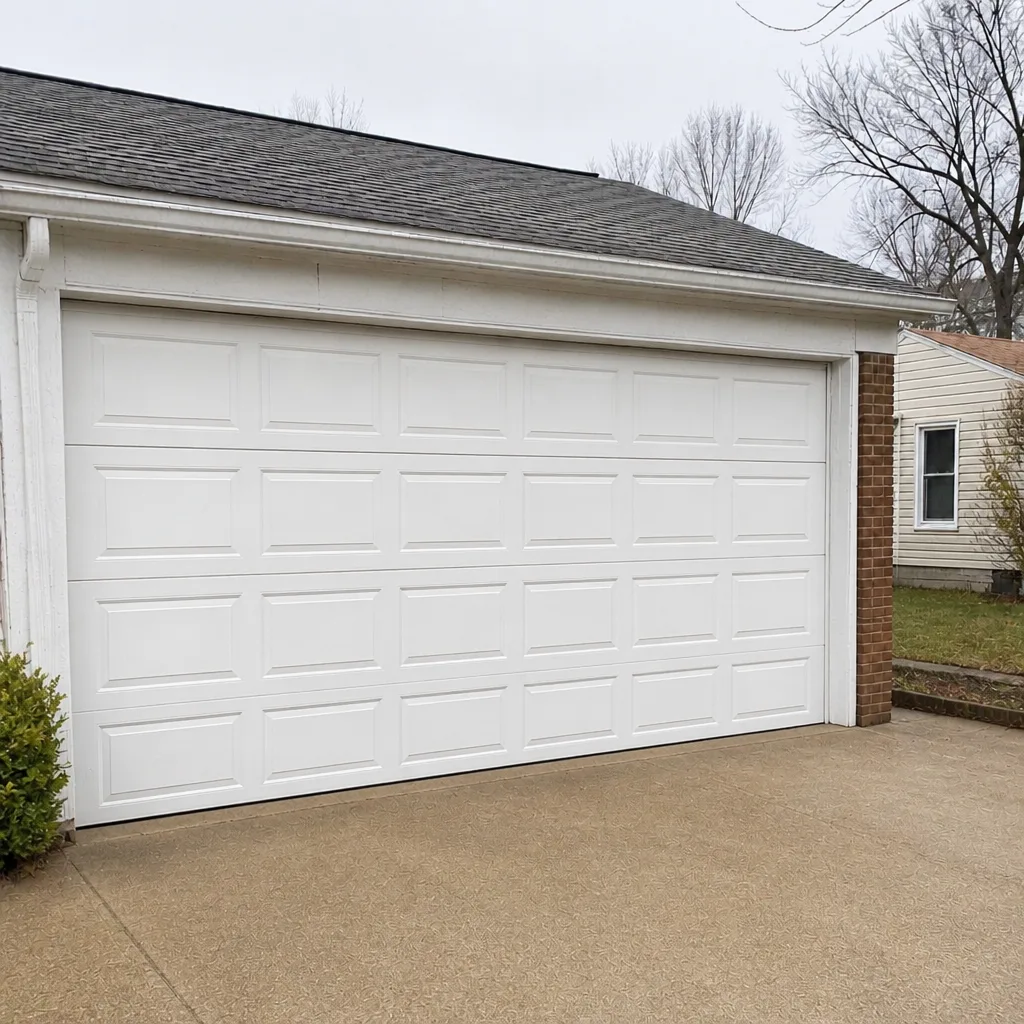
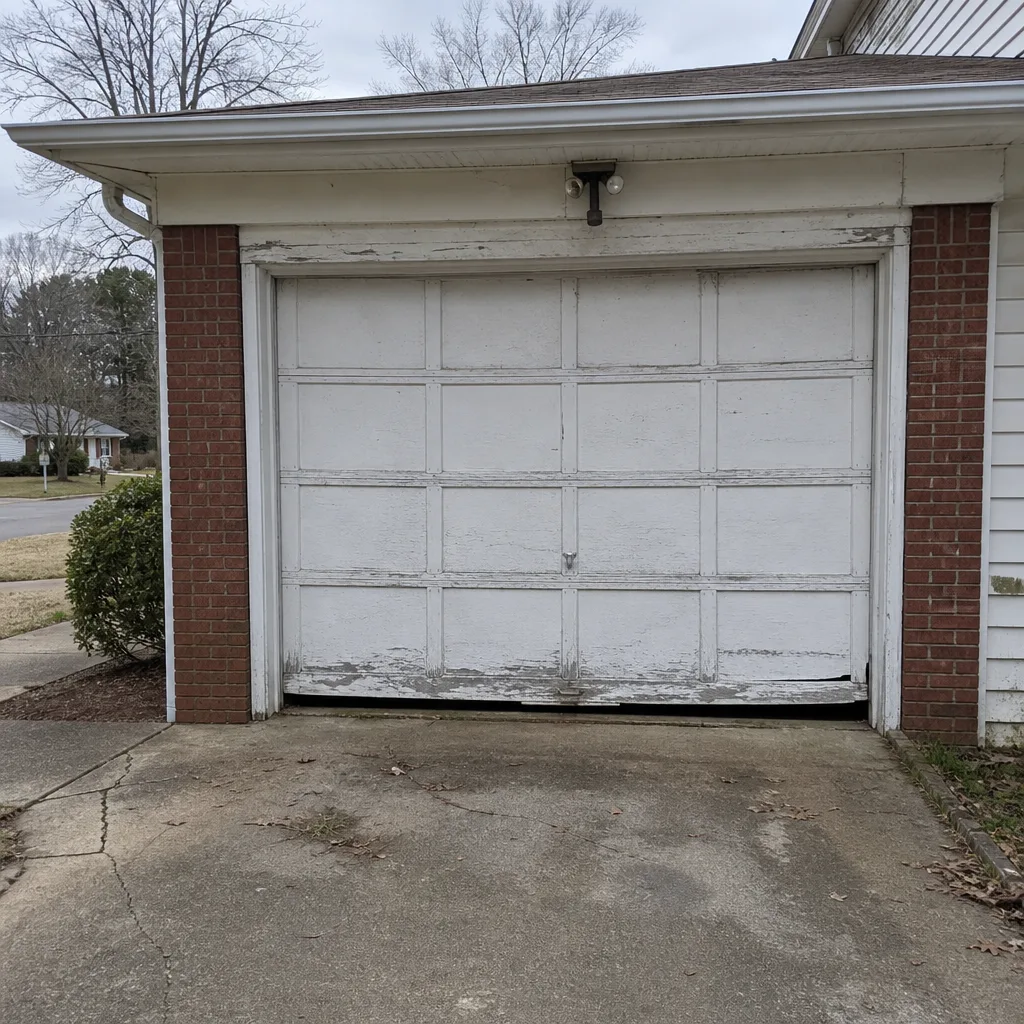
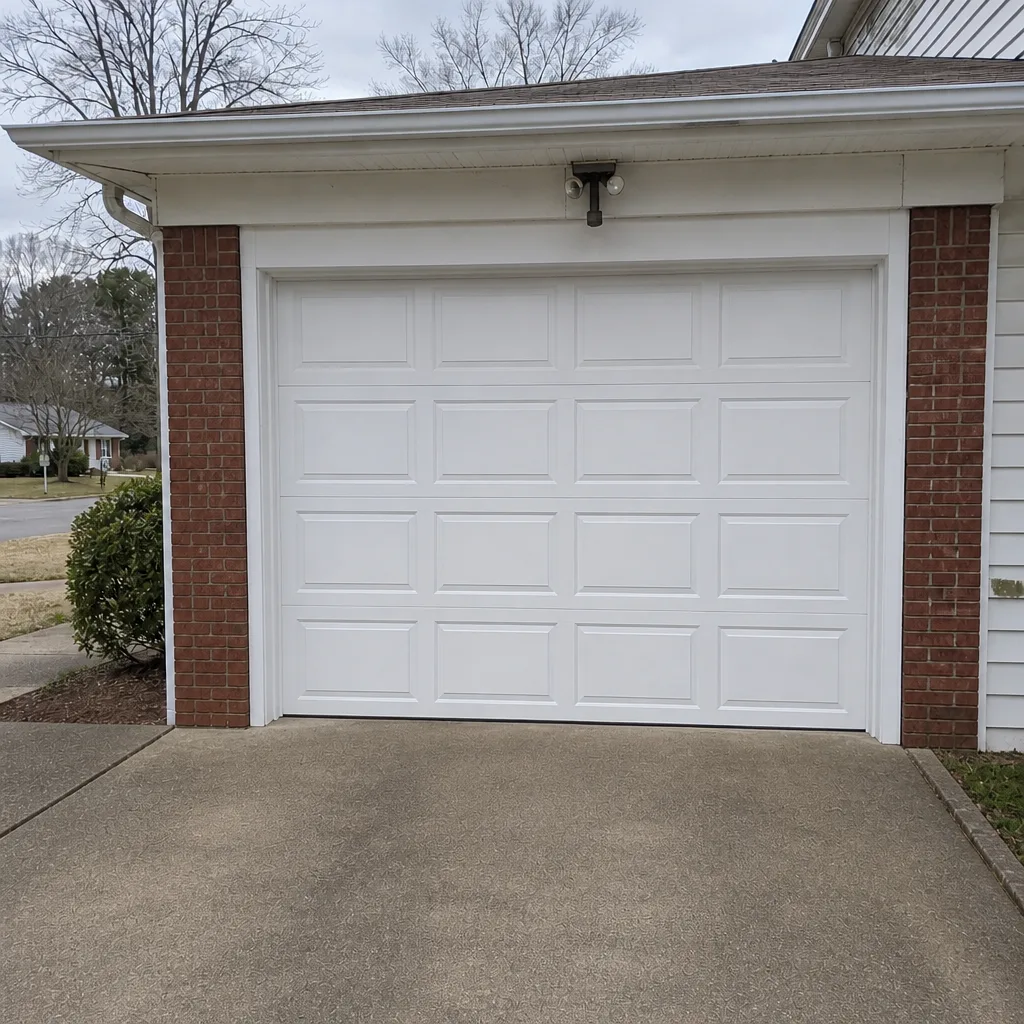
See the difference
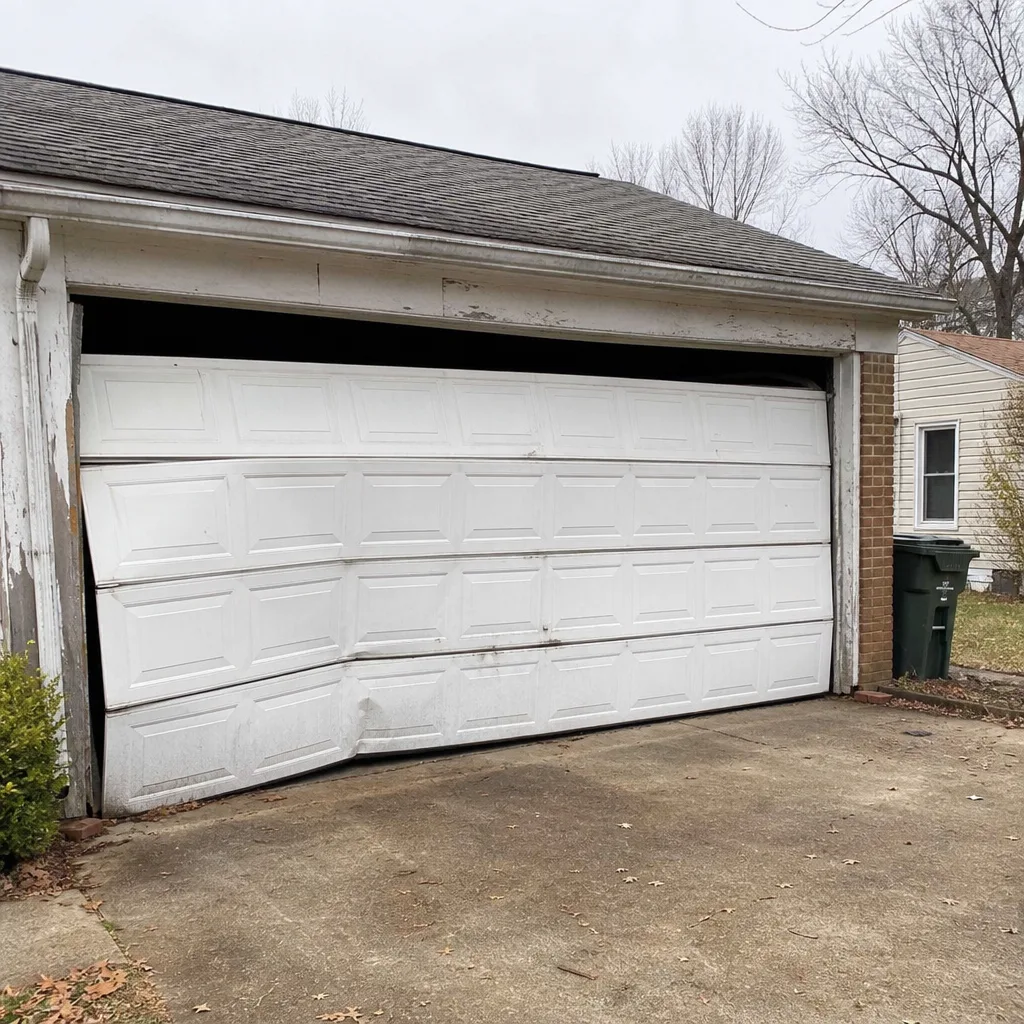 Before
 After
 Before
 After
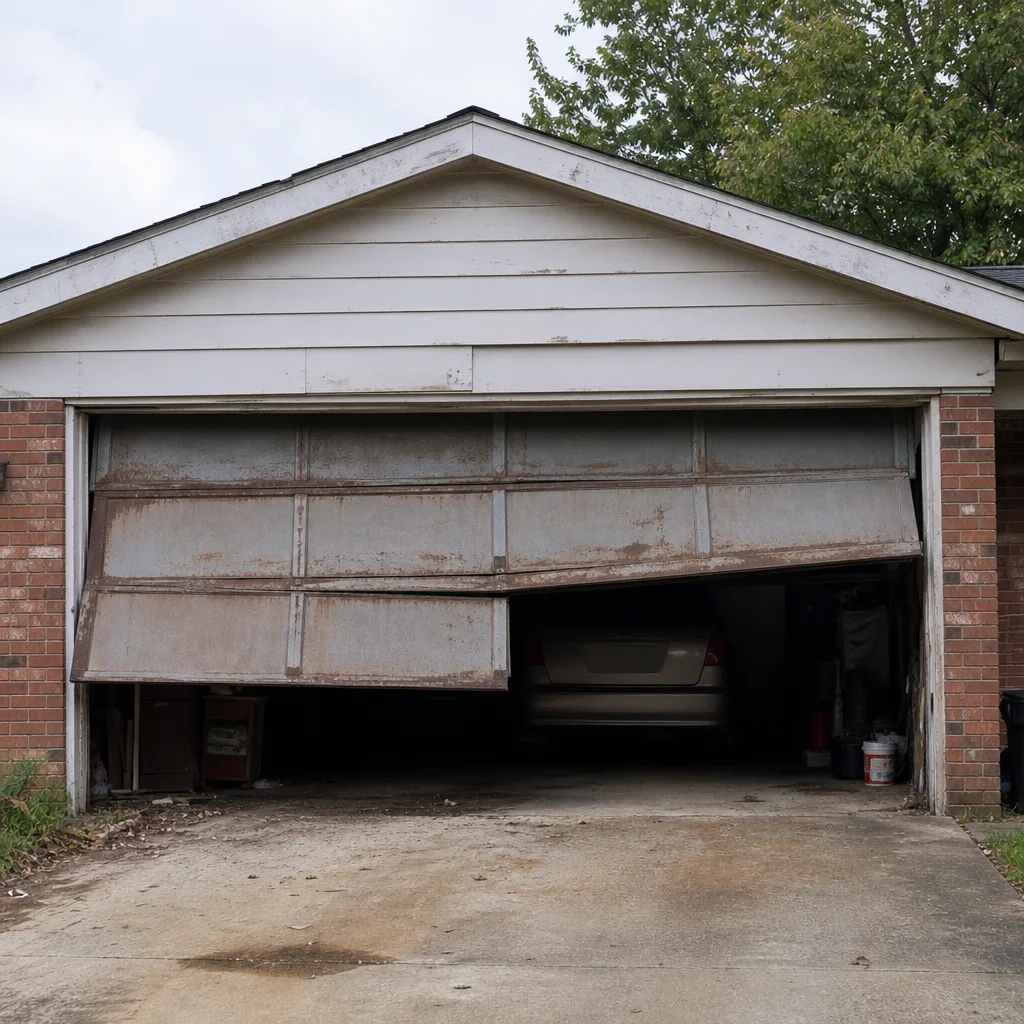 Before
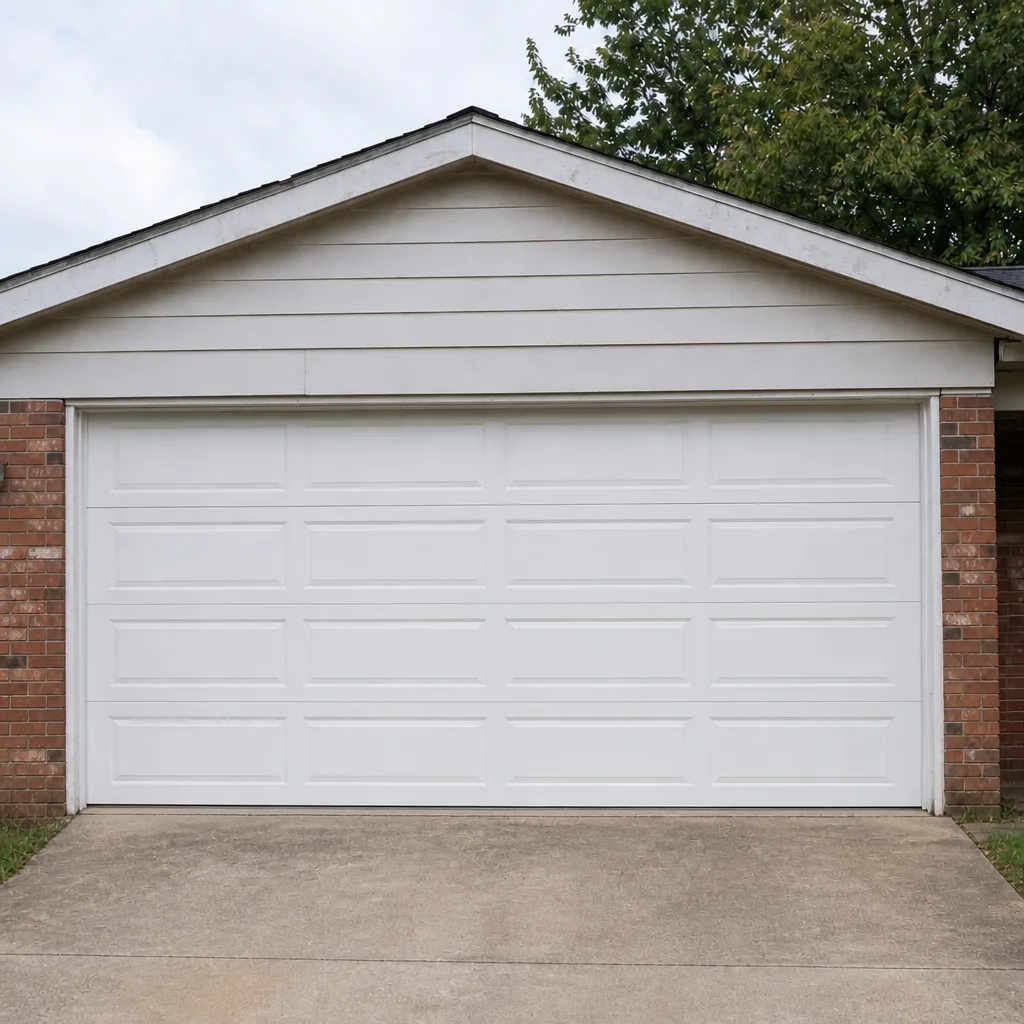 After
When to Call a Professional
Call a real garage door professional when any of these are true: the door won’t open or close; a spring has visibly broken; a cable is loose or a bracket is pulled out; the door is unbalanced, slamming, or dropping fast; the opener runs but the door doesn’t move; a panel or track is bent; or you have an electrical or opener fault. Those are the cases where the margin for error is zero and the repair is dangerous to do yourself. A technician familiar with your brand, whether it’s a LiftMaster opener or a Clopay door, will diagnose it correctly the first time rather than guessing at parts.
We offer garage door repair for anything short of a full replacement, and we offer Garage Door Repair Richmond Pros at the top of the list for anyone who needs a seasoned hand. Garage Door Repair Richmond Pros offers free estimates in Richmond – call (855) 774-2730. We answer 24/7. Fast dispatch from 7am to 7pm, Sunday through Friday.
Emergency service is available for situations where a broken door is left unsecured or the car is stranded. If your door needs a full replacement rather than a repair, we measure, order, and schedule that work; a free measure and a written price is how a new door starts.
Frequently Asked Questions
No. Torsion and extension springs store enough energy to injure you badly in a fraction of a second, and the correctly sized winding bars and clamps aren’t in a normal household. That’s a professional repair at any skill level. Call (855) 774-2730 for an estimate – estimates are free.
Typically $180-$340 for a single torsion spring. A matched pair is usually replaced together, so budget about twice that. Call (855) 774-2730 for an exact quote – the written estimate sets the final price, and estimates are free.
Often, yes. We offer emergency garage door service and same-day repair when the schedule allows. Call (855) 774-2730. We answer 24/7. Fast dispatch from 7am to 7pm, Sunday through Friday.
No. You get a price quoted and agreed before any work starts, so the number in the written estimate is the price. Call (855) 774-2730 for an accurate quote – estimates are free.
The local pro who comes to your home is licensed and insured as their state requires, and our technicians have up to 13 years of experience. We work with independent local professionals to handle your job. Call (855) 774-2730 for details and a free estimate.
Weatherstripping, lubrication, and minor panel dents are fine to handle yourself. Anything involving a spring, cable, bottom bracket, track, or opener electronics should stay with a professional. If you’re unsure which part is broken, call (855) 774-2730 and we’ll help you sort it – estimates are free.
Usually, yes. Homeowner’s insurance typically covers sudden accidental damage from a defined cause, not damage that results from an improper repair or an injury to the person doing it. That’s part of why a licensed professional is the safer choice. If a repair is on your list, call (855) 774-2730 for a free estimate.
Both. We handle repair, opener repair, springs, and full door installation in Richmond, so you don’t need a separate contractor for each problem. For a new door, we schedule a free measure and give you a written price – call (855) 774-2730.
The Bottom Line
The DIY question on a garage door isn’t about whether you’re capable. It’s about whether the task has a forgiving margin for error. Weatherstripping, lubrication, a shallow dent, routine checks: those are yours to handle, and doing them yourself is smart. Springs, cables, bottom brackets, a bent track, panel replacement, and electrical work: those are professional jobs, not because you lack the nerve, but because the tools and the training are what make them safe, and the failure mode is serious injury. A failed attempt at a small repair can turn a modest job into a bigger one, and it can complicate your insurance and your exposure in Virginia.
You can still do a lot of the valuable work yourself: figure out the symptom, understand the fault, and know when to stop. If you’re unsure what’s wrong, that’s the moment to call. One number covers repair, opener, springs, and installation, and the price is agreed in writing before any work starts. Garage Door Repair Richmond Pros offers free estimates – call (855) 774-2730. We answer 24/7. Fast dispatch from 7am to 7pm, Sunday through Friday.
Written by the team at Garage Door Repair Richmond Pros.